

Transporting a motorcycle across state lines or nationwide requires specialized handling, dedicated securing equipment, and protective enclosed trailers. Bikes cannot rest safely on kickstands during highway transit without risking severe structural frame stress, tip-overs, or body damage. At Tempus Logix, our motorcycle shipping guide explains every step of the motorcycle transport process so you can relocate your ride safely and efficiently. We coordinate 100% enclosed transport services using specialized floor tracks, rubber-coated wheel chocks, four-point soft-loop tie-down straps, and hydraulic liftgate loading ramps.
As a fully licensed and bonded transport coordinator, Tempus Logix operates under USDOT #3117533 and MC #86120. We maintain active Better Business Bureau (BBB) accreditation and double-vet every commercial carrier in our national network. We verify active primary cargo insurance policies ($100,000 to $1,000,000+ coverage limits) and full FMCSA compliance. Our experienced coordinators understand the precise weight distribution and securing mechanics required for heavy touring cruisers, sportbikes, trikes, custom choppers, and vintage motorcycles.
Reserving your motorcycle shipment online through our website is completely free with zero upfront deposit. We process payment only after our coordinators assign a certified, insured carrier to your route. For time-sensitive motorcycle rally deadlines or fixed seller release dates, phone reservations offer guaranteed pickup windows for a $300 upfront deposit. We eliminate hidden fees and maintain complete contractual transparency throughout transit.
Ready to discover how to ship a motorcycle without hassle? Get a Free Quote using our instant online calculator, or call our expert transport specialists at +1 (866) 607-8459.
Understanding Motorcycle Shipping and Specialized Transport Methods
Motorcycle shipping is a specialized freight service where motorcycles are secured inside enclosed or open trailers using wheel chocks, soft-nylon tie-down straps, and hydraulic liftgates to deliver bikes safely without accumulating mileage or road wear. This specialized service provides a controlled, secure environment for two-wheel, three-wheel, and off-road vehicles moving locally or nationwide.
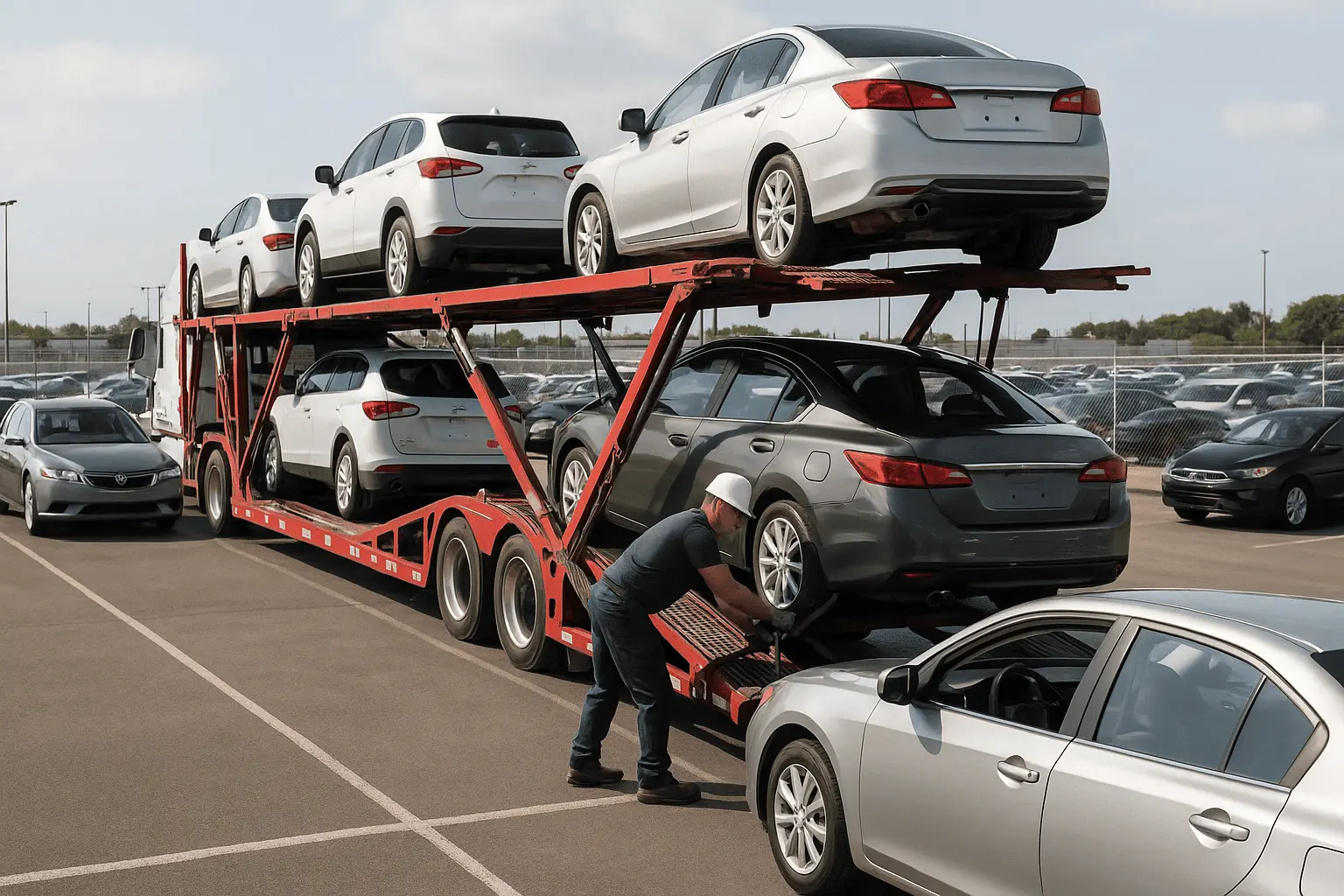
Understanding how the motorcycle transport process works helps riders choose the safest shipping options. Standard open car haulers transport four-wheeled passenger cars by driving them onto metal decks and securing their frames with heavy steel chains. Motorcycles have a high center of gravity and a narrow footprint. Pulling a motorcycle down with metal chains or securing it to side rails will bend handlebars, crush fairings, or blow out fork seals. Professional motorcycle haulers utilize dedicated enclosed trailers equipped with rubber-coated front wheel chocks, continuous floor tracking, and perimeter D-rings.
Different motorcycle categories require tailored transport setups during long-distance transit:
- Heavy Touring Cruisers & Baggers: Harley-Davidson Electra Glide and Indian Roadmaster models weighing over 800 lbs require heavy-duty floor D-rings and dual rear compression straps to prevent lateral sway.
- Sportbikes & Naked Bikes: Yamaha R1, Kawasaki Ninja, and Ducati models feature delicate plastic fairings requiring soft-loop Canyon Dancer harnesses to protect clip-on handlebars and body panels.
- Trikes & Can-Am Spyders: Three-wheeled motorcycles demand wider trailer ramp clearance and custom deck alignment to accommodate non-standard wheel tracks safely.
- Vintage & Custom Choppers: Extended rake forks and low ground clearance under 4 inches require hydraulic liftgate loading to avoid frame bottoming.
Open vs. Enclosed Motorcycle Shipping: Comparing Protection and Cost
Enclosed motorcycle transport provides complete protection from weather, road debris, and privacy concerns using specialized covered trailers, whereas open transport offers a lower-cost option but exposes the bike to highway weather and debris. At Tempus Logix, we enforce a strict quality policy: all motorcycles travel exclusively inside specialized enclosed transport trailers or on custom palletized motorcycle skids.
Exposing delicate chrome, hand-stitched leather seats, and sensitive electrical clusters to open highway travel introduces unacceptable risks. Flying gravel kicked up by highway traffic can chip fork sliders, pit custom paint, and shatter fairings. Rainwater mixed with road salt can penetrate unsealed wiring harnesses and polished engine casings. Enclosed trailers eliminate these atmospheric hazards completely.
| Transport Feature | Enclosed Motorcycle Transport | Open Motorcycle Transport |
|---|---|---|
| Weather Protection | 100% shielded from rain, snow, sun, and road salt | Exposed to all weather and environmental elements |
| Debris Shielding | Complete barrier against rocks, gravel, and highway debris | High risk of paint chips and windshield pitting |
| Securing Hardware | Rubber wheel chocks, 4-point soft ties, floor D-rings | Standard trailer tie-downs, potential chain contact |
| Security & Privacy | Fully locked, hidden from public view during stops | Visible on open deck during rest stops |
| Best Used For | Cruisers, sportbikes, classics, custom choppers, trikes | Short regional hauls, daily commuter bikes |
Riding vs. Shipping a Motorcycle: Evaluating Costs and Road Wear
While riding a motorcycle long distance avoids upfront haulage fees, professional shipping is often more cost-effective when factoring in food, lodging, fuel, tire wear, motorcycle depreciation, and long-distance driving fatigue. Riding across multiple state lines exposes riders to extreme weather, mechanical breakdowns, and physical exhaustion.
Comparing long-distance riding against professional shipping reveals several hidden expenses:
- Fuel and Oil Costs: High-displacement touring bikes and sportbikes require multiple fuel stops and potential intermediate oil changes during 1,000+ mile journeys.
- Tire Degradation: Highway riding squares off tire treads quickly, accelerating costly motorcycle tire replacements every 3,000 to 5,000 miles.
- Lodging and Meals: Overnight hotel stays and daily dining quickly add hundreds of dollars to cross-country road trips.
- Depreciation and Wear: Adding thousands of odometer miles lowers resale value and increases engine component fatigue.
- Rider Safety and Comfort: Avoid highway fatigue, unpredictable severe storms, and dangerous road hazards by utilizing professional enclosed transport.
Average Motorcycle Shipping Costs and Rate Factors
Shipping a motorcycle across the United States typically costs between $700 and $1,200, depending on transport distance, route accessibility, bike dimensions, trailer selection (open vs. enclosed), and seasonal event demand. Obtaining an upfront quote from a licensed transport broker ensures carrier-backed reliability without unexpected fees.
Understanding rate calculations helps you budget accurately when exploring how to ship a motorcycle across long distances. Base transport rates fluctuate based on market capacity, seasonal travel lanes, and specialized equipment requirements.
- Distance and Lane Traffic: Longer interstate routes increase fuel costs, though high-density transport lanes offer lower per-mile rates than remote rural routes.
- Motorcycle Size and Weight: Heavy touring cruisers (over 800 lbs) or three-wheeled trikes consume more deck space and payload capacity than 300 lb sportbikes.
- Enclosed Trailer Requirements: Dedicated enclosed trailers equipped with hydraulic liftgates carry higher operational costs than open car haulers.
- Rally and Seasonal Demand: Major events like the Sturgis Motorcycle Rally in South Dakota or Daytona Bike Week in Florida create seasonal demand spikes that raise regional shipping rates.
- Operational Status: Inoperable or non-running bikes requiring electric winch loading incur additional handling fees between $150 and $300.
Evaluating Motorcycle Carriers: Essential Safety and Insurance Standards
A reliable motorcycle transport carrier maintains active USDOT and FMCSA licensing, provides robust primary cargo insurance, utilizes heavy-duty soft ties and wheel chocks, and performs thorough Bill of Lading inspections prior to transit. Verifying carrier credentials protects your investment against damage and unbonded operators.
Entrusting your bike to an unverified carrier introduces severe financial risks. Deceptive operators often promise unrealistically low estimates, only to assign shipments to uninsured haulers without proper wheel chocks or soft ties. Under basic weight-based released value liability ($0.60 per pound), a 500-pound motorcycle total loss yields only a $300 payout. At Tempus Logix, we enforce strict carrier screening protocols. We verify active FMCSA registration, review safety records, and audit primary cargo insurance policies ($100,000 to $1,000,000+ limits) with zero deductibles for our clients under USDOT #3117533 and MC #86120.
Step-by-Step Guide: How to Prepare Your Motorcycle for Shipping
To prepare a motorcycle for shipping, clean the bike to document pre-existing condition, lower the gas tank to 1/4 full or less, disable alarm systems, unlock the steering column, adjust tire pressure, and remove loose personal items and accessories. Following a thorough car shipping preparation checklist ensures a smooth inspection and compliant transit.
Proper preparation safeguards your motorcycle and prevents unnecessary delays during carrier pickup. Follow these six essential steps before your driver arrives:
1. Wash the Motorcycle Thoroughly: Clean all road grime and chain oil so existing paint scratches, chrome chips, or minor blemishes are easily visible during the walk-around inspection.
2. Lower Fuel Levels to 1/4 Tank: Drain excess fuel down to one-quarter tank capacity or less. The Federal Motor Carrier Safety Administration (FMCSA) restricts fuel in enclosed bays to reduce hazardous vapor risks and overall trailer cargo weight.
3. Disable Security Alarms and Unlock Steering: Deactivate motion alarms, GPS trackers, and proximity sensors to prevent battery drain or driver distraction during transit. Leave ignition keys with the driver and disengage steering fork locks.
4. Remove Personal Belongings and Accessories: Detach loose riding gear, helmets, GPS units, and tall aftermarket windshields. Cargo insurance covers the motorcycle only, not personal belongings left on the vehicle.
5. Inspect Tires and Battery: Inflate tires to manufacturer specifications so the front wheel fits snugly into the chock, and verify that the battery is fully charged.
6. Complete the Bill of Lading Inspection: Perform a joint walk-around inspection with the driver. Note all pre-existing flaws on the official Bill of Lading (BOL) document and take timestamped photos before releasing the bike.
Required Documents for Shipping a Motorcycle Domestically
Domestic motorcycle shipping requires a government-issued photo ID, proof of vehicle ownership or vehicle registration/title, and a signed Bill of Lading (BOL) inspection condition report at pickup and delivery. Having documentation organized accelerates carrier dispatch and release.
- Government-Issued Photo ID: Driver’s license or passport matching the contact name on the transport booking order.
- Proof of Ownership: Vehicle title, valid registration certificate, or official bill of sale.
- Bill of Lading (BOL): The official inspection report and receipt signed by both shipper and carrier driver at pickup and delivery.
- Auction or Dealer Gate Releases: Release authorization forms and buyer account numbers when shipping online vehicle purchases from platforms like Bring a Trailer, Copart, or eBay Motors.
Shipping Inoperable or Non-Running Motorcycles with Winch Services
Yes, non-running or damaged motorcycles can be shipped using specialized carriers equipped with winches, hydraulic liftgates, or roll-back trailers, though carriers usually charge an additional inoperable vehicle handling fee. Transporting inoperable bikes requires specialized equipment to prevent secondary frame or body damage.
For successful inoperable motorcycle transport, the bike must still roll freely on inflated tires, steer properly, and brake. If the battery is dead, carriers offer jump-start assistance for a $50 fee. If the motorcycle cannot start or roll, drivers use electric winches and custom wooden skids to pull the bike safely onto the trailer deck. Specialized winch loading services incur a standard handling fee ranging from $150 to $300. If a bike cannot roll or steer, the shipper must arrange specialized crane or forklift loading assistance prior to driver arrival.
Tracking Your Motorcycle Shipment from Pickup to Delivery
Professional motorcycle shipping services offer direct driver contact, dedicated dispatch phone updates, or GPS tracking links, enabling vehicle owners to monitor shipment location and coordinate arrival timing. Clear communication provides peace of mind throughout interstate transit.
At Tempus Logix, our dedicated transport coordinators monitor your shipment from initial pickup through final driveway delivery. You receive status updates and direct contact details for your assigned carrier driver. As delivery approaches, the driver calls 12 to 24 hours in advance to coordinate a precise arrival window and confirm driveway accessibility. At delivery, you perform a final joint inspection against the original Bill of Lading before signing off on vehicle release.
How to Select an FMCSA-Registered Motorcycle Transport Broker
Select a reputable motorcycle transport broker like Tempus Logix (USDOT #3117533, MC #86120) by verifying FMCSA registration, confirming carrier cargo liability limits, checking customer reviews, and verifying door-to-door delivery options. Working with a top-rated broker guarantees professional carrier vetting and dedicated customer support.
Tempus Logix delivers premier, specialized motorcycle transport across all 50 states. Operating under USDOT #3117533 and MC #86120, we maintain active BBB Accreditation and an extensive network of over 25,000 double-vetted carriers. We enforce a mandatory 100% enclosed trailer policy for all motorcycle shipments, utilizing rubber-coated wheel chocks, four-point soft-loop tie-down harnesses, and heavy-duty floor D-rings to ensure pristine arrival.
Our risk-free online booking standard requires zero upfront deposits or credit card reservations before a carrier is officially dispatched. If you choose to reserve a priority slot by phone for guaranteed pickup dates during major motorcycle rallies or auction releases, a $300 upfront deposit secures your spot on the driver’s schedule. We manage all logistics, facility releases, and insurance verifications from origin to destination.
Learn more about our complete powersports logistics on our main Motorcycle, ATV & Powersports Transport directory page.
Ready to ship your bike with confidence? Get a Free Quote online today, or call our expert logistics coordinators at +1 (866) 607-8459.
Frequently Asked Questions About How to Ship a Motorcycle
How are motorcycles secured inside enclosed transport trailers?
Carriers secure motorcycles using rubber-coated front wheel chocks, soft-loop handlebar harnesses, and four-point ratcheting nylon straps attached to heavy-duty floor D-rings. This setup locks the bike vertically without applying stress to handlebars, frame tubes, or suspension seals, eliminating metal-to-metal paint contact.
Can you ship a non-running or damaged motorcycle?
Yes, non-running or damaged motorcycles can be shipped if they roll, steer, and brake. Drivers use electric winches and custom wooden skids to pull the bike onto the trailer deck safely. This specialized loading service incurs a standard winch fee ranging from $150 to $300.
How much fuel should be in a motorcycle before shipping?
Maintain your fuel tank at one-quarter capacity or less prior to pickup. Lowering fuel levels complies with FMCSA hazardous material safety guidelines for enclosed freight bays, reducing overall weight and hazardous flammable vapor buildup while leaving enough fuel to maneuver the motorcycle onto ramps.
Is open or enclosed transport better when learning how to ship a motorcycle?
Enclosed transport is strongly recommended for all motorcycles. Enclosed trailers protect delicate chrome, painted fairings, custom windshields, and electrical wiring from highway gravel, rain, road salt, and public exposure during driver rest stops.
What is an auto transport dry run fee and how is it avoided?
A dry run fee is a standard $150 surcharge applied if a carrier driver arrives for pickup or delivery but cannot complete loading due to circumstances outside their control. Common causes include client absence, missing ignition keys, unpaid seller fees, or unannounced vehicle modifications. Thorough preparation prevents dry run fees.
Can I leave saddlebags or riding gear on my motorcycle during transport?
You must remove all loose personal riding gear, helmets, riding jackets, and unattached accessories before transport. Carrier cargo insurance strictly covers the motorcycle itself, not personal items. Permanently mounted, locked hard saddlebags may remain on the bike if securely attached.
Can I guarantee a specific pickup date for my motorcycle shipment?
Standard motorcycle shipments operate within a flexible one-to-five-day pickup window. If you require a guaranteed pickup date for a major motorcycle rally or fixed seller schedule, you can reserve expedited transport over the phone with a $300 upfront deposit.
Related Motorcycle and Vehicle Transport Guides
Selecting the ideal transport service requires understanding your options across specialized vehicle logistics. Explore our related resources to make an informed decision for your motorcycle, ATV, or specialty vehicle:
- Motorcycle, ATV & Powersports Transport: Return to our primary pillar page to explore our complete suite of powersports shipping solutions nationwide.
- Motorcycle Shipping Services: Discover our specialized enclosed transport solutions, palletized skids, and door-to-door delivery options for all motorcycle types.
- Motorcycle Shipping Safety: Review essential safety protocols, soft-tie securing gear, and carrier insurance standards.
- ATV & UTV Shipping: Learn how we transport quad bikes, side-by-sides, and utility powersports equipment safely across long distances.
- Enclosed Auto Transport: Read about the complete weather protection, security, and hydraulic liftgates offered by enclosed transport trailers.
- Door-to-Door Car Shipping: Understand how direct residential pickup and driveway delivery logistics operate for all vehicle shipments.
- Car Shipping Preparation Checklist: Review comprehensive pre-shipment inspection tips and preparation rules before driver arrival.