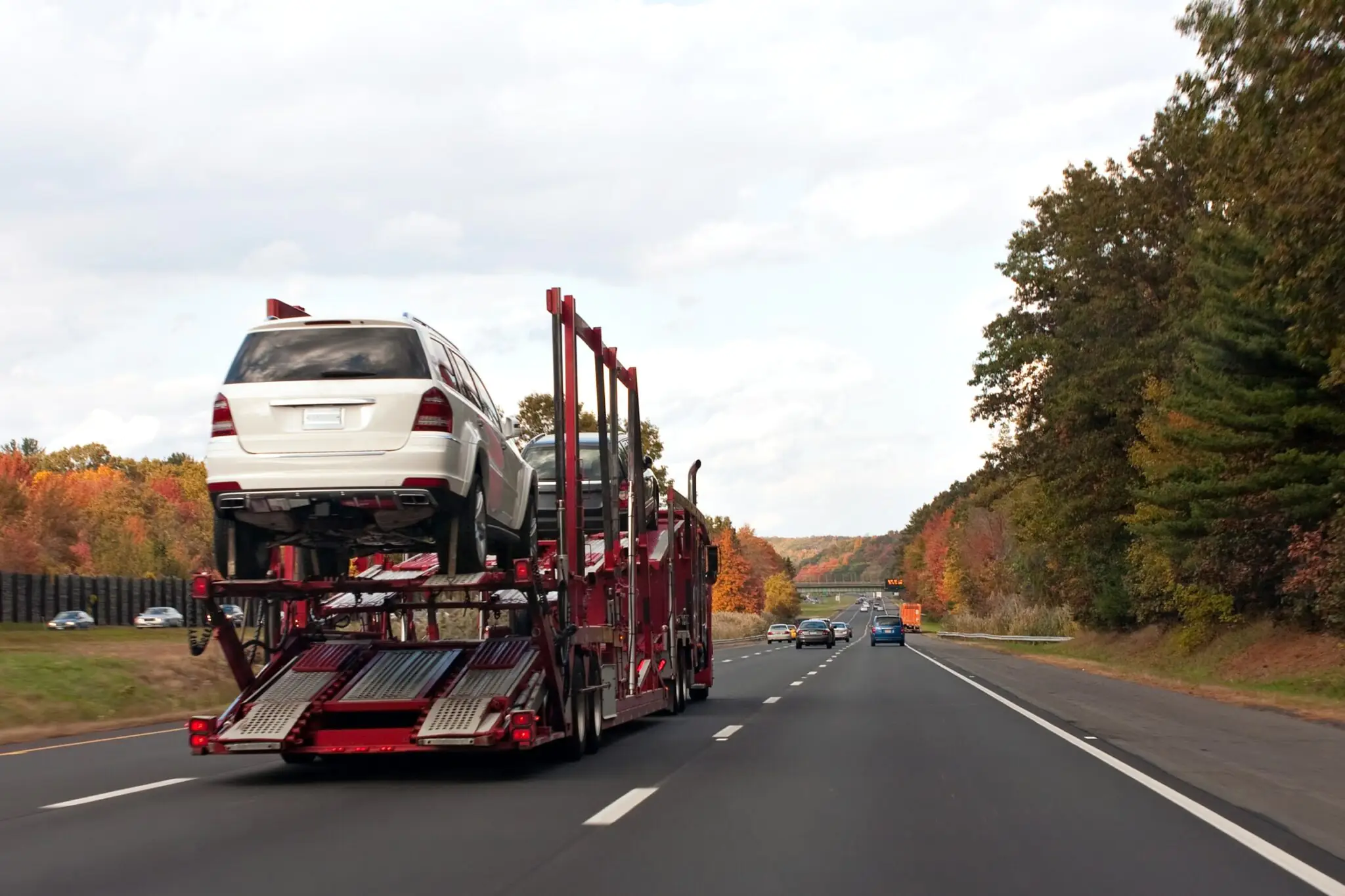


Additional Insurance for High-Value Cars: Complete Guide to Coverage & Protection
What Is High-Value Vehicle Transport Coverage?
High-value car shipping insurance is specialized cargo coverage or policy endorsement designed to cover luxury, exotic, and classic vehicles worth more than standard carrier policy limits (typically $100,000 to $250,000 per trailer). It bridges the financial gap by guaranteeing agreed-value replacement or repair protection for vehicles valued up to $1,000,000 or more.
Shipping a luxury sedan, exotic supercar, or rare vintage automobile across state lines requires dedicated financial protection. Commercial car haulers carry standard motor truck cargo insurance required by federal law. However, standard policies cap total payout limits across all vehicles on the trailer deck. Placing a $300,000 automobile on a standard multi-car hauler creates serious financial risk if an unexpected highway incident occurs.
Securing specialized luxury vehicle coverage ensures your vehicle maintains full valuation protection throughout its journey. Specialized inland marine endorsements and elevated carrier liability riders eliminate coverage caps. Vehicle owners receive guaranteed protection based on documented appraisals rather than depreciated cash value calculations.
Tempus Logix operates as a licensed and bonded auto transport broker under USDOT #3117533 and MC #86120, holding active Better Business Bureau accreditation. Our high-value transport desk independently verifies carrier insurance policies before dispatching any luxury vehicle. We confirm that every assigned trucker maintains verified cargo insurance limits matching your car’s true appraisal value.
Reserving your vehicle shipment on our website is completely free with no upfront payment required. We process our standard service fee only after assigning a fully insured, vetted carrier to your route. Please note that online booking is completely free, whereas booking over the phone with a coordinator incurs a standard fee. Calculate your actual shipping rates online to Get a Free Quote or call +1 (866) 607-8459 to speak with an expert coordinator.
Standard Carrier Cargo Insurance vs. Additional High-Value Coverage
Standard motor truck cargo insurance caps payout limits across all vehicles on a multi-car transporter, leaving expensive single vehicles underinsured. Additional high-value coverage provides dedicated, per-vehicle liability riders or inland marine endorsements with higher policy caps (e.g., $500,000 to $1,000,000+), zero deductibles for the shipper, and agreed-value terms rather than depreciated ACV.
Understanding how commercial cargo insurance works helps automobile owners protect high-end investments. Standard open car haulers usually carry $100,000 to $250,000 in total cargo liability insurance per load. A nine-car open transporter carrying nine vehicles splits that total policy cap among every automobile on board. If a major accident causes a total loss, each vehicle owner might receive only $15,000 to $25,000 from the insurance company.
Securing specialized high value car shipping insurance replaces shared cargo caps with dedicated per-vehicle valuation riders. Specialized underwriters issue inland marine endorsements that attach directly to the transport bill of lading. This ensures full payout protection tailored specifically to your vehicle’s market value.
Compare the key differences between standard auto transport cargo policies and additional high-value insurance coverage:
| Coverage Parameter | Standard Carrier Cargo Insurance | Additional High-Value Vehicle Protection |
|---|---|---|
| Total Policy Limit | $100,000 to $250,000 per multi-car trailer | $500,000 to $1,000,000+ per individual vehicle rider |
| Payout Valuation Basis | Actual Cash Value (ACV) with market depreciation | Agreed-Value based on certified professional appraisal |
| Coverage Allocation | Shared cap split across all loaded vehicles | Dedicated single-vehicle protection rider |
| Shipper Out-of-Pocket Deductible | $0 deductible for customer | $0 deductible for customer with verified rider |
| Target Vehicle Types | Daily drivers, standard sedans, commuter SUVs | Exotics, supercars, luxury sedans, vintage classics |
| Transport Trailer Option | Standard open or enclosed haulers | Specialized white-glove enclosed haulers |
Specialized insurance protection guarantees that repair facilities use original equipment manufacturer (OEM) replacement parts during restoration. Standard cargo insurers often attempt to settle claims using aftermarket or reconditioned components. Agreed-value riders eliminate disputes regarding vehicle valuation during claim processing.
When Do You Need Supplemental Insurance for High-Value Vehicles?
You need additional insurance whenever your vehicle’s market or appraised value exceeds the per-vehicle coverage limit of the car carrier’s standard cargo policy (typically over $100,000 for open trailers or $250,000 for enclosed trailers). It is also recommended for rare hypercars, vintage classics, and custom builds requiring agreed-value valuation during long-distance or cross-country transit.
Identifying coverage gaps before scheduling auto transport protects vehicle owners against unexpected financial losses. Standard car shipping quotes include basic carrier liability, but high-end automobiles require higher coverage ceilings. Purchasing luxury car extra insurance gives owners financial security when transporting irreplaceable automobiles across the country.
You should secure supplemental high-value cargo coverage under these specific circumstances:
- Vehicles Valued Above $100,000 on Open Trailers: Standard open haulers split $100,000 to $250,000 in cargo coverage among 8 to 10 vehicles, leaving high-end cars exposed to underinsurance risks.
- Exotic Supercars and Limited-Production Hypercars: Exotic automobiles valued from $250,000 to over $1,000,000 require specialized exotic car insurance coverage with custom policy riders.
- Vintage Classics and Collector Automobiles: Classic cars often appreciate in market value, making standard depreciated Cash Value settlements inadequate after transit damage.
- Extensively Modified or Custom Vehicles: Custom paint jobs, aftermarket performance upgrades, and rare engine swaps require certified appraisals and supplemental cargo endorsements.
- Long-Distance and Cross-Country Transit: Shipping vehicles across several state lines increases exposure time on interstate highways, making higher insurance limits essential.
Underwriting guidelines for high-value auto shipping require documented proof of market value prior to dispatch. Obtaining a professional vehicle appraisal establishes an agreed value between the vehicle owner, transport broker, and insurance underwriter. Establishing agreed value prevents insurance adjusters from applying standard vehicle depreciation algorithms during claim settlements.
Does Personal Auto Insurance Cover Cars During Auto Transport?
Personal auto insurance typically acts only as secondary coverage during transit. Claims remain subject to your personal policy deductible and standard comprehensive terms. The carrier’s primary cargo liability insurance is legally responsible for transit damage, making supplemental broker riders essential if your personal insurer excludes transit or caps coverage below market value.
Many automobile owners assume their primary personal insurance policy covers damage sustained while their car is loaded on a transport trailer. Most personal auto insurance policies contain strict commercial transport exclusion clauses. Personal comprehensive policies that do extend coverage during transit treat the claim as secondary protection, applying your standard personal policy deductible.
Relying solely on personal auto insurance creates several financial risks during vehicle shipping:
- Out-of-Pocket Personal Deductibles: Personal insurance claims require you to pay deductibles ranging from $500 to $2,500 before policy coverage applies.
- Potential Premium Rate Increases: Filing a damage claim with your personal auto insurer can increase your annual premium rates for several years.
- Depreciated Cash Value Caps: Personal policies settle total loss claims based on actual cash value, ignoring specialized collector market appreciation.
- Exclusions for Commercial Transit: Some personal insurance carriers deny coverage entirely if damage occurs while a commercial trucker handles the vehicle.
Enclosed Transport vs. Open Transport for Insurance Valuation Compliance
Enclosed transport is required for high-value insurance compliance because enclosed carriers carry substantially higher cargo insurance policy limits ($500,000 to $1,000,000+) compared to open haulers. Additionally, enclosed transport eliminates claims risks associated with road debris, bad weather, and physical hazards for low-clearance luxury and exotic cars.
Insurance underwriters frequently mandate enclosed auto transport as a prerequisite for issuing high-limit cargo riders. Enclosed transport protects automobiles inside hard-sided, climate-controlled trailers away from weather hazards and flying road gravel. Enclosed drivers specialize in white-glove handling protocols tailored specifically for rare automobiles.
Key enclosed transport features that satisfy high-value insurance underwriting requirements include:
- Hydraulic Liftgates: Keep low-clearance sports cars level during loading to prevent undercarriage and front bumper scraping.
- Soft-Tie Wheel Strap Systems: Secure vehicles by the tires rather than the chassis, eliminating suspension strain and frame contact.
- Elevated Carrier Policy Limits: Enclosed carriers maintain active cargo insurance policies ranging from $500,000 to $1,000,000+ per trailer load.
- Complete Environmental Shielding: Hard-sided metal trailers eliminate exposure to hail, tree sap, industrial fallout, and road stones.
How to Verify a Carrier’s COI for High-Value Vehicle Insurance
To verify a carrier’s COI, request an active Certificate of Insurance directly from the broker or carrier, confirm the cargo policy limit exceeds your car’s appraisal value, verify their license status on the FMCSA SAFER database using their USDOT or MC number, and contact the issuing insurance agent to confirm $0 deductible coverage for shippers.
Verifying insurance documentation before handover protects vehicle owners from underinsured motor carriers. Experienced transport brokers audit carrier credentials continuously, but owners should understand how to check policy details. Follow these numbered steps to audit a carrier’s Certificate of Insurance (COI) prior to pickup day:
- Obtain the Carrier’s Legal Identification Numbers: Request the trucking company’s unique USDOT and MC numbers from your transport coordinator.
- Verify Licensing on the FMCSA SAFER Database: Access the official Federal Motor Carrier Safety Administration SAFER website online. Confirm that the carrier maintains active interstate operating authority and active insurance filings.
- Examine the Certificate of Insurance (COI) Details: Request an official COI document. Verify that the motor truck cargo liability limit equals or exceeds your vehicle’s current market valuation.
- Contact the Insurance Producer Directly: Call the insurance agency phone number listed on the COI. Confirm that policy premiums are paid up to date and that the policy includes $0 deductible coverage for shippers.
Step-by-Step Documenting Procedure for High-Value Transit Claims
To protect your insurance coverage, perform a high-definition 360-degree photo and video inspection before pickup, note all existing pre-transport conditions on the Bill of Lading (BOL), repeat the inspection alongside the driver at delivery, and ensure any new transit damage is documented on the final signed BOL before accepting delivery.
Documenting your automobile’s exact physical condition establishes indisputable proof required for insurance claim processing. Cargo insurers rely on written inspection records to determine when physical damage occurred. Follow this structured checklist to safeguard your insurance claim rights:
- Secure a Professional Written Appraisal: Obtain a certified valuation report from a licensed automobile appraiser prior to booking transport.
- Perform a High-Definition 360-Degree Pre-Inspection: Wash the automobile thoroughly and capture date-stamped photos and videos of every exterior panel, glass surface, wheel, and interior section in bright lighting.
- Complete the Pickup Bill of Lading (BOL): Review the driver’s physical condition report carefully. Ensure all pre-existing paint chips or minor blemishes are noted accurately before signing the pickup BOL.
- Conduct a Thorough Delivery Walkaround: Inspect the vehicle alongside the driver upon delivery. Note any fresh scratches, dents, or undercarriage marks clearly on the final delivery BOL before signing release forms.
What to Expect During High-Value Vehicle Transport & Insurance Approval
During high-value vehicle transport, owners can expect pre-dispatch underwriting approval and white-glove enclosed loading. Logistics providers also deliver real-time GPS tracking updates and conduct a joint final inspection upon door-to-door delivery.
Shipping a high-value automobile involves a structured operational timeline designed to eliminate transit risks and preserve vehicle condition. Understanding what occurs at each stage ensures a seamless shipping experience from initial quote to final delivery.
Expect these key operational milestones when shipping a high-value automobile:
- Underwriting Verification & Policy Rider Issuance (24-48 Hours Before Pickup): Logistics specialists review your vehicle’s appraisal documents and issue high-value cargo insurance endorsements matching your car’s true market value.
- Vehicle Preparation Guidelines: Wash the exterior thoroughly to facilitate inspection, maintain fuel levels at one-quarter tank, secure loose interior items, and disable active anti-theft alarm systems.
- White-Glove Pickup & Inspection: The driver arrives in an enclosed trailer, performs a detailed walkaround inspection, records baseline conditions on the Bill of Lading, and loads the vehicle using hydraulic liftgates and soft-tie wheel straps.
- In-Transit Tracking & Communication: Transport coordinators monitor trailer progress across interstate routes using GPS tracking technology, providing regular status updates.
- Door-to-Door Delivery & Final Handover: The driver delivers your vehicle directly to your requested destination, conducts a joint final walkaround inspection, and verifies clean condition before completing final paperwork.
Logistics coordinators communicate directly with drivers throughout transit to monitor weather patterns and road conditions. If severe weather or highway closures occur, drivers adjust routing to keep vehicles safe inside enclosed trailers.
Tempus Logix: Insured High-Value Auto Shipping with Dual Vetting
Tempus Logix (USDOT #3117533, MC #86120) guarantees full protection for high-value vehicles by vetting every carrier in our network for active cargo insurance policies up to $1,000,000. Our specialized high-value transport desk arranges supplemental insurance riders, confirms $0 deductibles for vehicle owners, and coordinates white-glove enclosed transport from door to door.
Tempus Logix operates as a fully licensed and bonded auto transport broker holding active Better Business Bureau accreditation. Vehicle safety and financial security are our highest operational priorities. Our proprietary double-vetting protocol verifies each carrier’s Certificate of Insurance directly with issuing agents before dispatching any luxury, exotic, or classic automobile.
We provide a $0 customer deductible guarantee for carrier-caused transit damage. If an incident occurs during shipping, you pay zero out-of-pocket deductible costs. Our dedicated claims advocacy team manages communications directly with insurance adjusters to ensure prompt, fair claim resolution.
Reserving your auto transport on our website is completely free with no upfront deposit required. We process our standard service fee only after securing a verified, fully insured driver for your route. Please note that online booking is completely free, whereas booking over the phone with a coordinator incurs a standard fee. Calculate your instant shipping quote online to Get a Free Quote or call +1 (866) 607-8459 to speak directly with a high-value transport specialist. Return to our parent Auto Transport Insurance & Protection directory page to explore additional insurance resources.
Frequently Asked Questions About High-Value Car Shipping Insurance
Review these answers to common questions about high-value vehicle coverage, policy limits, and vehicle protection procedures:
Can I leave personal belongings or bags inside the car?
Yes, you may include up to 100 pounds of personal items in the trunk at no additional cost, but these items are strictly excluded from carrier cargo insurance.
Federal Motor Carrier Safety Administration rules restrict auto haulers from transporting general household goods. Personal belongings left inside the vehicle are shipped entirely at the owner’s risk. Place all items in the trunk below window level to prevent interior damage during transit.
What if my vehicle is modified, lowered, or lifted?
You must declare all custom modifications during booking so coordinators assign carriers equipped with hydraulic liftgates or proper ramp clearances.
Lowered sports cars with under 4 inches of ground clearance strictly require enclosed trailers with hydraulic liftgates to prevent undercarriage scrape damage. Lifted trucks or oversized SUVs require accurate height measurements to comply with carrier deck clearances and highway height limits.
How much cargo insurance coverage does standard auto transport include vs high-value cars?
Standard open carriers carry $100,000 to $250,000 in cargo insurance split across all vehicles on the trailer, whereas high-value enclosed carriers maintain $500,000 to $1,000,000+ per trailer.
Standard open carriers split total cargo coverage among 8 to 10 vehicles, which can leave expensive single vehicles underinsured. High-value enclosed transport assigns dedicated per-vehicle coverage riders to ensure full appraisal value protection.
What happens if my vehicle’s valuation exceeds the carrier’s standard cargo insurance limit?
If your vehicle’s value exceeds standard policy caps, Tempus Logix assigns a carrier with higher policy limits or arranges a supplemental inland marine cargo rider before dispatch.
Our high-value transport desk contacts insurance underwriters directly to issue elevated policy riders up to $1,000,000 or more, ensuring your vehicle maintains complete coverage throughout transit.
Does my personal primary auto insurance policy cover my vehicle during auto transport?
Personal auto policies generally offer limited secondary coverage subject to your personal deductible, while primary financial responsibility rests with the carrier’s cargo policy.
Most personal insurance policies exclude commercial transit damage or require high out-of-pocket deductibles. The carrier’s motor truck cargo insurance serves as the primary policy for any transit-related damage.
Does filing a luxury car shipping insurance claim require paying a deductible?
No, vehicle owners pay $0 out-of-pocket deductible when filing a transit damage claim under a verified carrier’s primary cargo policy.
Tempus Logix guarantees $0 deductibles for vehicle owners on all assigned shipments. The motor carrier’s commercial cargo policy covers all approved repair costs directly.
Why is agreed-value coverage better than actual cash value (ACV) for luxury and classic cars?
Agreed-value coverage pays a pre-established appraisal amount without applying market depreciation, guaranteeing full replacement or repair funding.
Actual cash value policies apply standard depreciation formulas that reduce payout amounts. Agreed-value riders protect true market value based on certified professional appraisals.
Related Auto Transport Insurance & Protection Resources
Securing adequate high value car shipping insurance is an essential step when transporting luxury, exotic, or collector automobiles. Exploring our comprehensive educational guides helps you evaluate carrier credentials, policy terms, and vehicle protection standards. Return to our parent Auto Transport Insurance & Protection directory page to access our complete library of insurance resources.
To deepen your understanding of auto transport safety and insurance compliance, explore these related cluster guides:
- Auto Transport Insurance Guide: Comprehensive breakdown of federal insurance requirements, carrier liability rules, and policy structures.
- Cargo Insurance During Transport: Detailed overview of motor truck cargo coverage, trailer policy caps, and claim protection guarantees.
- Full vs. Basic Auto Transport Insurance: Compare standard carrier liability against comprehensive supplemental insurance options.
- What Auto Transport Insurance Covers: In-depth explanation of covered transit risks, loading protections, and standard policy exclusions.
- Auto Transport Damage Claims Guide: Step-by-step instructions for documenting vehicle condition, filing claims, and resolving insurance disputes.
- Enclosed Auto Transport Services: Learn about white-glove enclosed shipping options, soft-tie securing systems, and climate-controlled trailers.