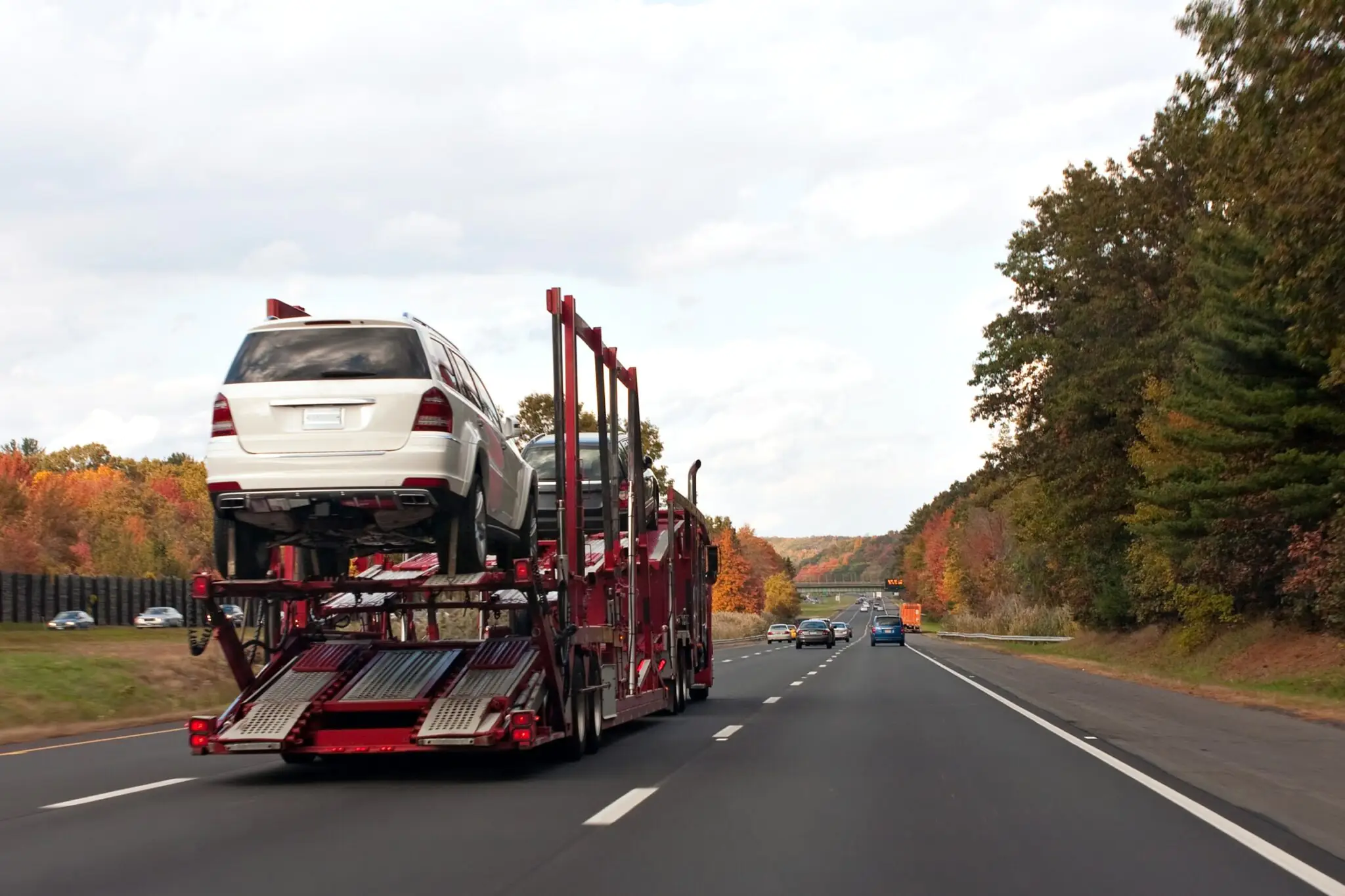


Shipping an electric car in freezing temperatures requires careful planning and specialized equipment. Cold weather alters battery chemistry and deflates air suspensions. These physical changes create unique challenges for vehicle shippers. You need experienced coordinators to protect your high-value electric car.
Tempus Logix manages secure, professional shipping services throughout the winter season. We are a bonded and licensed transport coordinator operating under USDOT #3117533 and MC #86120. Our BBB accredited company operates a double-vetted carrier network across the country. We specialize in protecting advanced electric vehicle technologies from extreme weather.
Booking your cold weather ev transport online is completely free. We do not charge an upfront deposit when you use our website booking tool. You only pay an initial processing fee if you book your shipment over the phone. Our team coordinates directly with certified drivers to ensure a smooth transit. Learn more about Why Choose Tempus Logix for your shipping needs.
We provide high-limit cargo insurance and real-time GPS tracking on every transport route. Your dedicated shipping coordinator will manage all logistics from pickup to final delivery. This active oversight prevents unexpected delays during bad weather. Contact our specialists today to schedule your vehicle shipping.
Get a Free Quote or Call +1 (866) 607-8459 to connect with a dedicated EV transport coordinator.
What is Winter Electric Car Shipping?
Winter electric car shipping is the specialized transport of electric vehicles during cold-weather months. It requires strict battery temperature monitoring and moisture-resistant packaging. Specific charge levels also protect lithium-ion systems from freezing and capacity loss. Standard open auto transport methods can expose electric vehicle batteries to extreme conditions. Specialized transport solves these issues by controlling logistical factors. Our coordinators understand the precise needs of lithium-ion battery thermal management. We monitor weather patterns along your shipping route to keep your car safe.
The Chemistry of Cold: How Freezing Temperatures Impact Lithium-Ion EV Batteries in Transit
Sub-zero winter temperatures significantly affect lithium-ion chemistry, reducing battery capacity and increasing self-discharge rates. A vehicle parked on an open trailer in sub-zero environments experiences rapid lithium-ion battery self-discharge. Extreme cold slows down the movement of ions inside the battery cells. This sluggish chemical activity reduces the total energy output. If the charge drops too low, the battery management system can lock out completely. This situation makes the vehicle inoperable at delivery.
Tempus Logix manages this risk by advising customers to ship with a 40% to 60% State of Charge (SoC). This range provides the ideal electrochemical window for cold-weather stabilization. Keeping the battery in this middle range protects the cells from contracting. It also prevents the chemical compounds from degrading under extreme cold. Our winter carrier network is trained to recognize sub-zero battery preservation issues. They know how to handle electric vehicles that have entered low-temperature sleep modes.
Does Extreme Cold Weather Damage EV Batteries During Transit?
Extreme winter weather can temporarily reduce an EV battery’s capacity and performance. However, permanent damage is rare if the vehicle is shipped properly. High risks during winter ev battery shipping include:
High-Voltage System Lockouts: The vehicle’s main computer can shut down if the traction battery fully drains during transit.
12V Auxiliary Battery Failure: Parasitic drain in sub-zero temperatures can drain the small auxiliary 12V battery. This failure prevents the main system from booting.
Cell Chemistry Freezing: Non-tempered cell chemistry can freeze if the vehicle sits in extreme sub-zero conditions. Long periods without an active battery heater cause this issue.
To minimize these risks, we coordinate with carriers who understand electrical preservation. Drivers monitor the vehicle status during long transits. We verify that our carriers have active cargo insurance ranging from $100,000 to over $1,000,000. This coverage protects your high-value electric car from mechanical and physical transit damage.
Cold-Weather Ground Clearance & Air Suspension Risks
Many premium EVs feature active air suspensions that automatically adjust ground clearance. These models include the Tesla Model S/X, Lucid Air, and Porsche Taycan. In freezing temperatures, air suspension lines can freeze, deflate, or fail. This failure causes the vehicle to drop. It reduces ground clearance below the 4-inch threshold. If the suspension deflates, the low-slung battery housing can scrape against trailer metal ramps during loading. Under-car scraping can cause structural battery damage.
Tempus Logix enforces a strict safety protocol. We route any vehicle with ground clearance under 4 inches to enclosed auto transport. Enclosed trailers feature hydraulic liftgates that lift the car horizontally, preventing any angle-based ramp scrapes. This careful approach prevents expensive undercarriage and traction battery damage during loading and unloading. We protect your vehicle’s physical safety in every weather condition.
Key Benefits of Specialized Winter EV Shipping
Specialized winter electric vehicle shipping offers massive advantages for protecting your advanced car. Standard transport methods often ignore the unique physical and mechanical needs of electric vehicles in the cold. Our specialized carrier network manages winter-specific logistics to prevent damage to your vehicle. Choosing our expert services ensures your vehicle remains safe and fully functional.
Here are the primary advantages of utilizing specialized winter EV shipping:
Corrosion Shielding: Enclosed shipping protects your vehicle from winter road salt, calcium chloride, gravel, slush, and flying ice. These corrosive materials can damage delicate EV charge ports and front-facing sensors.
Underbody Protection: Low-profile battery casings are completely insulated from physical highway impacts. Enclosed trailers keep corrosive chemicals from penetrating under-car battery seals.
Specialized Heavy-Vehicle Dispatching: Electric vehicles are 30% to 50% heavier than gas-powered cars due to dense battery packs. We match heavy EVs with carriers possessing correct Gross Vehicle Weight Rating (GVWR) certifications.
Non-Invasive Tie-Downs: Our carriers use soft-tie over-the-tire nylon wheel straps. These specialized straps secure the wheels without placing pressure on the undercarriage battery pack. Traditional metal chains are never used.
Transparent Route Management: Our coordinators plan routes around major winter storms. We redirect trailers to avoid freezing mountain passes and hazardous road closures.
These specialized practices preserve your vehicle’s cosmetic finish, battery health, and electronic calibration. Standard carriers often use metal hooks that can puncture high-voltage cabling. Our double-vetted carriers understand exactly how to secure and haul heavy electric vehicles safely. We verify each carrier’s safety records through federal databases to guarantee reliable transport.
Our team performs comprehensive screening on all winter carriers in our network. We check active FMCSA authority and verify active liability insurance. This thorough process ensures that only experienced winter haulers handle your vehicle. Our coordinators communicate with the driver throughout the transit to monitor weather changes. This continuous tracking provides peace of mind and keeps your shipment on schedule.
Open vs. Enclosed Carriers: Which is Best for Winter EV Shipping?
Open carriers offer a cost-effective and secure transport method during the winter. However, enclosed auto transport is the premium choice for winter EV shipping. They shield the sensitive lithium-ion battery and undercarriage electronics. They also protect advanced driver assistance systems (ADAS) sensors from road salt, freezing rain, and heavy snow. Both options are available through our verified carrier network. However, the extreme conditions of winter highways make enclosed trailers highly recommended for electric cars.
The table below outlines the core differences between these shipping options:
| Shipping Feature | Open Trailer Transport | Enclosed Trailer Transport |
|---|---|---|
| Environmental Protection | Exposed to wind, snow, and rain | Completely enclosed, weather-sealed |
| Road Chemical Shielding | Exposed to highway road salt and spray | Protected from road salt and calcium chloride |
| Cargo Insurance Limits | Standard $100,000 to $250,000 | High-limit $250,000 to $1,000,000+ |
| Loading Equipment | Traditional metal ramp tracks | Hydraulic liftgates or low-profile ramps |
| Underbody Protection | Standard road clearance risks | Maximum protection against under-car scrapes |
| Average Operational Cost | Highly economical option | Premium pricing (30% to 50% higher) |
Choosing enclosed auto transport is the ultimate way to insulate your EV from sub-zero temperatures. The hard-sided metal walls block cold head-winds that can cause rapid battery cooling. This shielding helps maintain a stable ambient temperature around the car during highway transit. Keeping the vehicle protected prevents active thermal management systems from draining the battery. Our coordinators will help you select the ideal trailer type based on your vehicle model and route.
Enclosed trailers are especially vital for luxury electric models with advanced safety systems. Dust and frozen road spray can coat radar sensors, making autonomous driving features fail. Cleaning these sensors after an open transit can be difficult and time-consuming. Enclosed transport delivers your vehicle in pristine, showroom condition. Our team handles all scheduling details to ensure your enclosed carrier arrives on time.
The Ideal Battery Charge Level for Winter EV Shipping
For winter electric vehicle transport, the ideal battery state of charge (SoC) is between 30% and 50%. This range is recommended by the Federal Motor Carrier Safety Administration (FMCSA) and EV manufacturers. It ensures the battery is stable and safe during transport. It also retains sufficient charge to prevent complete depletion. This prevents system lockouts caused by extreme sub-zero temperatures. Storing an EV battery with a 100% full charge in freezing temperatures can stress cell chemistry. Conversely, leaving the charge below 20% risks deep discharge, which can permanently damage lithium-ion cells.
Our coordinators require all clients to adjust their vehicle’s charge level before pickup. This simple step ensures the car remains safe and fully functional.
Preventing Auxiliary 12V Battery Freeze & System Drainage
Another critical consideration during winter ev battery shipping is the health of the auxiliary 12V battery. Cold weather drains the small 12V battery much faster than the main traction pack. If the 12V battery dies, the entire vehicle computer shuts down. This lockout prevents the vehicle doors from opening and keeps the parking brake engaged. To avoid auxiliary 12V battery freeze protection issues, make sure your low-voltage battery is fully charged.
We recommend turning off all passive power consumers before shipping. These systems include cabin pre-conditioning schedules, automated seat heaters, and mobile app polling. Closing your mobile app stops the phone from waking up the vehicle’s computer. This step prevents background power draw during long transits.
Managing Battery Temperature on the Trailer
During transit, the carrier does not charge your vehicle. The car sits inactive on the trailer deck. Our double-vetted carriers follow professional handling rules to prevent deep cold soaking. Drivers park trailers inside sheltered terminals when scheduled for overnight layovers. This sheltering keeps the battery temperature above freezing thresholds. We coordinate with experienced drivers who understand the details of winter electric car shipping.
If your vehicle’s battery does drain completely, our carriers can provide inoperable vehicle winch services. We can load and unload non-running vehicles safely using specialized winch equipment. However, maintaining the ideal charge level prevents these additional steps and fees. Our coordinators will guide you through all battery prep steps.
How to Prepare Your Electric Car for Winter Shipping
First, wash the vehicle and clear all snow and ice to facilitate an accurate pre-shipment inspection. Second, charge the battery to between 30% and 50% state of charge (SoC). This range helps the battery withstand cold storage. Third, disable high-drain features. These include Sentry Mode, cabin heating, and security alarms. Fourth, place the EV into ‘Transport’ or ‘Tow’ mode. This disengages regenerative braking. Fifth, check and adjust tire pressure. This action compensates for cold-weather PSI drops. Following these steps ensures your vehicle is ready for safe ground transport.
Here is a detailed preparation guide for your winter electric vehicle transport:
1. Clear Snow and Ice: Completely wash your vehicle before the carrier arrives. Remove any accumulated snow or ice blocks from the wheel wells and undercarriage. Clean surfaces allow the driver to perform a thorough pre-shipment inspection.
2. Set the Target State of Charge (SoC): Adjust your battery charge level to between 30% and 50%. This level maintains safety while preventing deep battery discharge during sub-zero transits.
3. Turn Off Background Software: Disable all security cameras, motion sensors, and climate scheduling systems. These features wake up the vehicle computer and can deplete your 12V auxiliary battery.
4. Engage Transport Mode: Navigate to your vehicle’s safety menu and activate ‘Transport’ or ‘Tow’ mode. This disengages the regenerative braking transit prep settings and unlocks the parking brakes for safe loading.
5. Adjust Tire Pressures: Cold temperatures cause tire pressure to drop. Check and inflate your tires to the manufacturer’s recommended level to protect the wheel rims.
6. Remove Personal Belongings: Remove all personal bags and loose items from the cabin. You can leave up to 100 lbs of secure items in the trunk area. These items are shipped at your own risk.
Taking these steps ensures your vehicle arrives in perfect working condition. Our experienced transport coordinators will review this preparation checklist with you before your scheduled pickup date. This thorough preparation makes the loading process quick and secure.
Proper preparation also speeds up the inspection process. The driver will document your vehicle’s condition on the Bill of Lading. This document serves as your official receipt and insurance record during transit. Our team is available to answer any preparation questions before your scheduled pickup.
Winter Electric Vehicle Shipping Costs and Booking
Shipping an electric vehicle in winter typically costs between $900 and $1,800. The final rate depends on transit distance and route conditions. Your choice between open or enclosed transport also affects the cost. Learn more about auto transport costs to see how distance affects rates. Tempus Logix provides instant, binding quotes with a flexible zero-upfront deposit policy. We only require payment after scheduling a certified carrier. Our double-vetted network operates under USDOT #3117533 and MC #86120. This risk-free booking model protects you from predatory broker practices.
Why Choose Tempus Logix for Winter EV Auto Transport
Tempus Logix is a premier provider of professional vehicle shipping services across the United States. Our BBB accredited company delivers secure, damage-free transport for all electric vehicle models. We understand the specific logistical requirements of moving heavy electric vehicles in cold weather. Our double-vetted carrier network includes experienced winter drivers who carry high-limit cargo insurance.
Booking your shipping service through our online quote calculator is completely free. We do not require any upfront payment or credit card details to secure an online quote. You only pay an initial processing charge if you choose to book your shipment over the phone with an agent. Our dedicated coordinators are available to manage all transport details and answer your questions. We focus on clear communication and reliable scheduling on every route.
We provide direct, door-to-door car shipping to ensure your electric vehicle stays on a single trailer. This direct shipping model removes the risks of terminal storage and excessive handling. Our coordinators will provide consistent tracking updates during the entire transit. Trust our experienced team to manage your winter electric car shipping safely and efficiently.
Frequently Asked Questions
What happens if my EV battery is dead or the car won’t start?
We provide professional jump-start assistance for a standard fee of $80 to help power the vehicle’s low-voltage electronics. If the vehicle remains completely inoperable after a jump-start, we must use a winch. A winch service fee of $150 to $300 will apply. This fee covers the specialized labor and winching equipment required to load the vehicle.
What are the requirements for shipping an inoperable electric vehicle?
If the vehicle is inoperable, we need to confirm whether it can roll, brake, and steer safely. If the vehicle cannot roll, you must arrange specialized loading and unloading equipment at the pickup and delivery locations. Inoperable electric cars require extra equipment to load safely.
Can the transport carrier come directly to my driveway if my EV is inoperable?
For inoperable vehicles, we must confirm that your street is accessible for a semi-truck. Please let us know whether the hauler has sufficient space nearby to safely operate the winch and load the vehicle. If your driveway is too narrow, we will arrange a nearby parking lot for pickup.
What if my electric vehicle is modified or has low ground clearance?
Lowered electric vehicles with under 4 inches of ground clearance strictly require an enclosed trailer with a hydraulic liftgate to prevent undercarriage scrape damage. If your vehicle has custom physical modifications, you must inform your transport coordinator. Lifted electric models require accurate height measurements.
Can I leave personal belongings or bags inside my electric car during winter transport?
You may include up to 100 lbs of personal belongings in the trunk area at no additional charge. However, the carrier’s cargo insurance does not cover these items, and they are shipped entirely at your own risk. Any weight exceeding 100 lbs may result in additional charges from the driver. Please ensure all items are placed below window level.
How do I prevent my electric vehicle’s battery from draining during winter transit?
To prevent battery drain, adjust your battery’s state of charge (SoC) to between 30% and 50% before pickup. Completely disable all motion-activated cameras, security alerts, and cabin overheat protection systems. Also, close any mobile application links that repeatedly check the vehicle’s location during transport.
Related Topics
Navigating winter electric vehicle shipping requires understanding all your specialized transport options. Reviewing our comprehensive resources helps you make the absolute best decision for your vehicle.
Start by exploring our main Electric Vehicle Shipping Guide. This primary guide provides a broad overview of EV engineering, battery safety, and general shipping rules. It helps you understand the differences between standard and battery-powered vehicle logistics.
Learn more about the specialized trailers used to protect EVs from winter road salt. Read our detailed guide on Enclosed Auto Transport. This article explains the security, weatherproofing, and equipment differences of enclosed carriers.
To learn about the convenience of direct, terminal-free shipping during cold months, explore our Door to Door Car Shipping page. This resource outlines the steps to arrange direct driveway-to-driveway pickup and delivery.