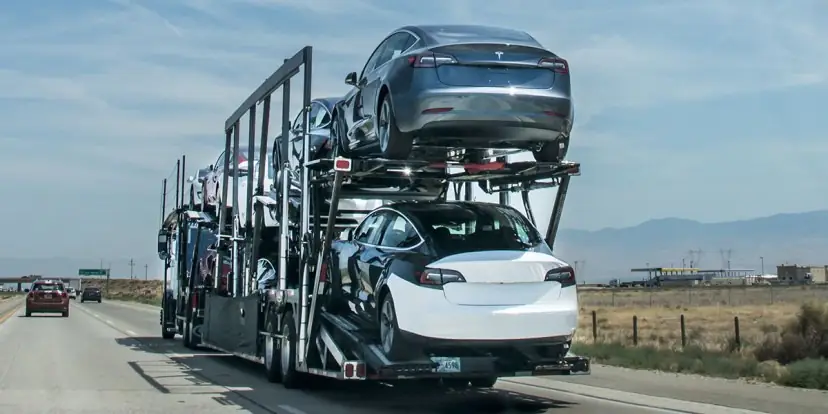


Transporting an all-terrain vehicle (ATV), quad, or side-by-side across state lines requires specialized haulers. Drivers must handle unique vehicle dimensions, weight distribution, and off-road tires. Standard auto trailers often lack proper anchor points for small wheelbase off-road vehicles. Professional atv transport ensures your machine moves safely inside enclosed trailers or multi-vehicle carriers. Drivers use specialized four-point soft tie-down systems. Tempus Logix coordinates nationwide quad shipping for sport quads, heavy utility ATVs, hunting rigs, and commercial side-by-sides.
As a fully licensed and bonded transport coordinator, Tempus Logix operates under USDOT #3117533 and MC #86120. We maintain active Better Business Bureau (BBB) accreditation. Our team partners exclusively with FMCSA-compliant commercial carriers. Every shipment includes primary cargo insurance ($100,000+) to protect your machinery from pickup to final delivery. Our experienced logistics specialists understand the precise tie-down physics required for popular models. This includes Honda FourTrax, Yamaha Grizzly, Polaris Sportsman, and Can-Am Outlander quads.
Booking your four-wheeler transport online through our digital platform is completely free with zero upfront deposit. We collect no fees until a certified driver is assigned to your route. Phone bookings for expedited or guaranteed pickup dates require a $300 deposit to secure your spot on the dispatch schedule. We eliminate hidden surcharges and provide continuous real-time tracking updates throughout transit.
Ready to move your quad safely? Get a Free Quote using our instant online pricing calculator, or speak directly with our powersports coordinators at +1 (866) 607-8459.
Understanding Quad Shipping and Off-Road Vehicle Transport
ATV transport is a specialized auto transport service. It safely hauls all-terrain vehicles, quads, and UTVs across any distance. Carriers use custom trailers, wheel chocks, and heavy-duty tie-down straps. Unlike standard passenger vehicles, off-road machinery features shorter wheelbases, knobby mud tires, and higher centers of gravity. These unique characteristics require specialized trailer decks and calibrated tie-down angles to maintain vehicle stability during highway travel.
Professional powersports carriers utilize specialized haulers designed for light utility and powersports cargo. Drivers position quads over dedicated floor tracks or reinforced steel decking. Securing vehicles by their axles or suspension arms causes seal damage during transit. Instead, certified drivers attach heavy-duty nylon straps directly to frame anchor points. This prevents suspension binding and eliminates side-to-side shifting during sudden stops or sharp highway turns.
Open vs. Enclosed Quad Shipping: Comparing Protection and Cost
Enclosed ATV shipping provides complete protection against road debris, weather, and grime inside a covered trailer. Open transport is a more affordable option exposed to external highway elements. Choosing between open and enclosed quad shipping depends on your vehicle’s value, custom modifications, and overall transit distance.
Standard utility quads used for farming, hunting, or trail riding frequently travel via open auto transport carriers. Open haulers offer maximum scheduling flexibility and lower freight rates. High-value sport quads, vintage four-wheelers, and custom show builds benefit from enclosed auto transport. Enclosed trailers shield delicate electrical modifications and machinery from rain, mud, road gravel, and highway salt.
| Feature / Parameter | Open Quad Transport | Enclosed Quad Transport |
|---|---|---|
| Weather & Road Protection | Exposed to rain, dust, and gravel | 100% weather and debris shielded |
| Cost Efficiency | Most economical (30-40% lower cost) | Premium pricing for specialized care |
| Carrier Availability | High availability on all major routes | Selective availability; requires reservation |
| Ideal Vehicle Types | Standard utility quads, work ATVs | Sport quads, custom builds, vintage models |
| Security Level | Visible on open transport deck | Lockable, hard-sided security bay |
Towing Your Quad vs. Professional Shipping: Cost and Efficiency Comparison
While DIY towing avoids carrier haulage fees, professional quad shipping is often more economical for long distances. You must factor in trailer rental, specialized hitches, extra fuel consumption, vehicle wear, and driving travel expenses. Many quad owners consider towing their machines using personal pickup trucks or utility trailers. However, long-distance self-towing carries hidden costs and operational risks.
Towing a loaded utility trailer over several hundred miles increases tow vehicle fuel consumption by 25% to 40%. Drivers must also purchase heavy-duty trailer hitches, secure trailer registration, and purchase auxiliary towing insurance. DIY towing subjects your personal truck to accelerated transmission wear, brake pad degradation, and tire strain. Professional four-wheeler transport delegates long-distance mileage and highway liability to commercial carriers operating under FMCSA safety oversight.
Specialized Equipment: Wheel Chocks, Soft Ties, and Frame Safety Protocols
Securing an off-road quad on a haulage trailer requires specialized hardware engineered to protect delicate chassis components and powder-coated frames. Professional carriers use rubber-coated wheel chocks and soft-nylon perimeter tie-downs. Integrated floor D-rings keep vehicles rock-solid without compressing suspension seals. Harsh metal chains or steel hooks can scratch frame paint, bend tie rods, or rupture hydraulic brake lines.
Commercial powersports carriers rely on five key safety components for quad transportation:
- Rubber-Coated Wheel Chocks: Heavy-duty chocks cradle front tires to lock steering in a straight orientation and prevent forward or backward movement.
- Four-Point Soft Tie-Down Harnesses: High-tensile nylon webbing loops around frame spars or lower control arms, providing balanced tension without binding suspension shocks.
- Heavy-Gauge Floor D-Rings: Steel D-rings welded directly to trailer structural beams serve as rated anchor points for tie-down ratchets.
- Modular Wooden Skid Pallets: Custom wooden platforms support non-running quads, youth ATVs, or vintage three-wheelers during loading and transit.
- Full-Width Loading Ramps & Liftgates: Arch-designed loading ramps or hydraulic liftgates eliminate steep incline breaks. This prevents low-slung skid plates or frame rails from bottoming out.
Ground clearance is a critical factor when loading modified vehicles. Utility ATVs with aftermarket lift kits or oversized mud tires require wide ramp clearance. Drivers also arrange specialized deck spacing for wide-stance A-arms. Tempus Logix verifies vehicle dimensions prior to carrier assignment to ensure trailer loading ramps accommodate wider wheel tracks safely.
Step-by-Step Guide: How to Prepare an ATV for Shipping
To prepare an ATV for transport, start by washing the vehicle to inspect its condition. Next, reduce the fuel level to 1/4 tank and check tire pressure. Finally, disconnect the battery, remove loose accessories, and document pre-existing condition with photos. Proper preparation accelerates the loading process and prevents transit delays.
Follow these six steps before your scheduled carrier pickup:
1. Wash the Vehicle Thoroughly: Remove all mud, dirt, and trail debris from the frame, fenders, and wheel wells. A clean quad allows you and the driver to complete an accurate pre-shipment condition report.
2. Lower Fuel and Check Fluid Levels: Drain the fuel tank down to one-quarter capacity (approximately 1 gallon). FMCSA safety rules require low fuel volumes in trailer bays. This requirement reduces fire hazards and overall cargo weight.
3. Inspect and Inflate Tires: Ensure all four tires are fully inflated to manufacturer pressure specifications. Properly inflated tires cushion road vibrations and allow the vehicle to roll smoothly into trailer wheel chocks.
4. Disable Alarms and Secure Accessories: Turn off aftermarket motion alarms or anti-theft tracking devices to prevent battery drain. Remove unattached gear, including helmets, riding goggles, portable GPS units, and loose toolboxes.
5. Secure Permanent Attachments: Tighten bolts on aftermarket winches, front bumpers, skid plates, and cargo racks. If your quad has an attached snow plow blade, notify your coordinator to verify trailer deck clearance.
6. Document Pre-Existing Condition: Take high-resolution photographs of your quad from multiple angles, focusing on fairings, handlebars, wheels, and seat upholstery. Keep these photos for comparison during delivery.
Required Documentation for Domestic Quad Shipping
Domestic quad shipping requires a valid government-issued photo ID and proof of ownership. You must also sign a Bill of Lading (BOL) inspection report at pickup and delivery locations. Having proper paperwork ready prevents unexpected delays at pickup.
Essential documentation includes:
- Government-Issued Photo ID: Driver’s license or passport of the shipper or authorized pickup agent.
- Proof of Ownership: Vehicle title, state registration certificate, or official bill of sale.
- Bill of Lading (BOL): Official inspection document completed with the transport driver at pickup and drop-off to record vehicle condition.
- Auction Gate Release Pass: Buyer number and gate pass documentation if shipping from Copart, IAAI, or eBay Motors auctions.
Average ATV Shipping Costs and Pricing Factors
Shipping an ATV typically costs between $300 and $600 for short-to-medium routes. Cross-country or UTV shipments range from $900 to $1,400 depending on distance, transport type, and vehicle size. Understanding the variables that determine atv transport costs helps you budget accurately for your relocation.
Primary factors influencing ATV shipping rates include:
- Total Route Distance: Shorter regional moves under 500 miles cost less overall but carry higher per-mile rates than cross-country routes.
- Vehicle Size and Weight Class: Compact sport quads (300-400 lbs) cost less to move than heavy utility ATVs (700-900 lbs) or multi-passenger side-by-sides (UTVs) that take up full car spaces.
- Transport Type (Open vs. Enclosed): Enclosed carriers charge a 30% to 50% premium over open transport decks due to equipment costs and specialized handling.
- Operability Status: Non-running quads that require electric winch loading incur an additional winch fee ranging from $150 to $300.
- Seasonal Demand Spikes: Rates increase during peak hunting migration seasons, summer off-road events, and seasonal snowbird relocation windows.
- Location Accessibility: Pickup or delivery points in remote rural areas, mountain passes, or off-grid ranches may require secondary route surcharges.
Evaluating Quad Shipping Insurance and Carrier Protection
Legitimate quad shipping carriers provide primary cargo insurance covering physical damage during transit. Owners should inspect carrier insurance certificates and consider supplemental coverage for high-value or custom quads. Tempus Logix verifies that every network carrier maintains active FMCSA operating authority. Each driver carries a minimum of $100,000 in primary cargo insurance.
Your primary protection during transit is the Bill of Lading (BOL). At pickup, you and the driver conduct a walk-around inspection. You will record any pre-existing scratches, denting, or fairing damage on the BOL. Upon delivery, perform a second walk-around inspection before signing the document. In the rare event of transit damage, noting issues on the BOL immediately initiates carrier insurance claim processing.
Shipping Inoperable or Non-Running ATVs and UTVs
Inoperable or damaged ATVs can be shipped using specialized transport carriers equipped with winches, roll-back ramps, or cranes. These tools safely load non-running quads onto the transport trailer for an additional handling fee. Your quad may have a dead battery, seized engine, or accident damage. Professional carriers possess the right gear to transport it safely.
Key considerations for non-running four-wheeler transport include:
- Roll, Brake, and Steer Requirement: Non-running ATVs must have inflated tires that roll freely, functional brakes, and unlocked steering so the winch cable can pull the vehicle smoothly onto the trailer deck.
- Winch Loading Fees: Loading an inoperable vehicle using an electric trailer winch incurs a standard handling fee of $150 to $300 to compensate for extra labor and equipment usage.
- Dead Battery Service: If your quad simply has a dead battery, drivers can jump-start the engine or assist with manual loading for an additional $80 handling fee.
- Aftermarket Modifications: Oversized mud tires, extended swingarms, lifted suspensions, or attached snow plow blades must be disclosed in advance so drivers assign appropriate trailer clearance.
Understanding Door-to-Door Quad Delivery Logistics
Door-to-door quad shipping involves a carrier picking up and delivering your off-road vehicle directly at your designated residential or business addresses, assuming local street access permits large transport trucks. Tempus Logix delivers four-wheelers directly to suburban homes, farms, rural ranches, and commercial dealerships nationwide.
Many ATV owners request door-to-door car shipping to rural hunting cabins, agricultural ranches, or off-road trailheads. Large 80-foot commercial car haulers cannot easily navigate narrow dirt roads, low-hanging tree branches, sharp turns, or unpaved driveways. Local access restrictions may prevent semi-truck entrance at your location. In that case, your driver will contact you to arrange a convenient meeting location nearby. Common meeting spots include local shopping center parking lots or highway rest areas.
Shipping Online Auction and Dealership ATV Purchases
Buying an ATV online through Copart, IAAI, or eBay Motors is an efficient strategy. You can easily source specialized quads or project vehicles nationwide. Tempus Logix coordinates direct pickup from auction yards and out-of-state dealerships. We collect required gate passes, buyer numbers, and release forms from the seller. This proactive coordination ensures your machine is picked up before storage fees accrue.
How to Select a Licensed and Trusted ATV Shipping Provider
Select a reputable ATV shipping provider by checking active FMCSA and USDOT registrations. Always verify primary cargo insurance limits and read customer reviews before confirming door-to-door delivery. Working with an experienced broker ensures your vehicle receives dedicated care from certified haulers.
Tempus Logix stands as an industry leader in specialized vehicle logistics. Operating under USDOT #3117533 and MC #86120 with active Better Business Bureau (BBB) accreditation, we maintain strict carrier vetting protocols. Read more about Why Choose Tempus Logix to see our complete commitment to safety and quality. We verify that every driver maintains primary cargo insurance ($100,000+). Our network coordinators confirm that drivers possess proper tie-down equipment for powersports machinery.
Reserving your atv transport online via our website is completely free with zero upfront deposit. We collect payment only after assigning a certified carrier to your shipment. For guaranteed pickup dates or tight event schedules, our phone coordinators offer reserved dispatch slots for a $300 upfront deposit. Learn more about our complete range of vehicle logistics services on our main Motorcycle, ATV & Powersports Transport hub page.
Ready to move your quad with total confidence? Get a Free Quote using our instant online calculator, or contact our transport specialists today at +1 (866) 607-8459.
Frequently Asked Questions About ATV Transport Services
How are ATVs and four-wheelers secured during transport?
Carriers secure ATVs using rubber-coated wheel chocks, four-point perimeter soft-nylon tie-downs, and heavy-duty floor D-rings to prevent shifting without compressing suspension components. Using soft nylon straps eliminates metal-to-metal contact, preserving your quad’s paint, frame, and hydraulic brake lines throughout transit.
What if my ATV is modified with a lift kit or oversized tires?
Modified ATVs with lift kits, wide stance A-arms, or oversized tires can be shipped easily if exact length, width, height, and weight measurements are provided prior to dispatch. Providing accurate dimensions ensures Tempus Logix assigns a carrier trailer with adequate ramp width and vertical deck clearance.
My quad is inoperable or won’t start. Can it still be shipped?
Inoperable or non-running ATVs can still be shipped as long as they can roll, brake, and steer for winch loading onto the carrier deck. Carriers use electric winches and specialized loading skids to load non-running quads safely for a standard winch handling fee of $150 to $300.
Can I leave gear, helmets, or tools on the ATV during transport?
You may leave up to 100 lbs of personal gear or riding equipment secured inside permanently attached cargo boxes or racks, but loose items like helmets or goggles must be removed. Carrier cargo insurance covers the ATV itself, so unattached loose items should be transported separately in your personal vehicle.
Can transport trucks deliver directly to a rural ranch or off-road trailhead?
Tempus Logix provides door-to-door delivery, but if narrow rural roads or low trees prevent semi-truck access, the driver will meet you at a safe nearby parking lot. Drivers communicate proactively to designate accessible meeting spots like local shopping center lots or highway pull-offs.
What is required for shipping an ATV bought at an online auction like Copart or eBay Motors?
Shipping an auction-purchased ATV requires supplying the carrier with your buyer number, VIN, lot number, gate release pass, and seller pickup contact information. Supplying these details in advance prevents storage fee accumulation at auction yards.
What is a dry run fee and how can I avoid it?
A dry run fee is a penalty charged when a carrier arrives for pickup but cannot load the vehicle due to unreadiness, missing keys, or site inaccessibility. You can avoid dry run fees by prepping your quad before pickup. Ensure the vehicle is unlocked and easily accessible when the driver arrives.
How much fuel should be in the ATV gas tank before pickup?
Maintain your ATV gas tank at one-quarter capacity or less prior to driver arrival to comply with FMCSA fire safety rules for enclosed freight haulers. Lower fuel levels reduce cargo weight and minimize hazardous vapor risks in enclosed trailer bays.
Related Powersports and Vehicle Transport Guides
Choosing the ideal transport solution requires understanding your options across specialized vehicle logistics. Explore our related resources to make an informed decision for your quad, motorcycle, or specialty vehicle:
- Motorcycle, ATV & Powersports Transport: Return to our parent pillar page to explore nationwide powersports shipping solutions for all off-road vehicles.
- Motorcycle Shipping Services: Learn how enclosed trailers, wheel chocks, and soft-tie systems protect motorcycles during long-distance transport.
- Motorcycle Shipping Prep: Discover key preparation steps for two-wheelers, including fluid management and inspection protocols.
- Enclosed Auto Transport: Explore the benefits of 100% weather-protected enclosed trailers for high-value or vintage vehicles.
- Door-to-Door Car Shipping: Understand how direct residential pickup and driveway delivery logistics operate across all vehicle classes.
- Non-Running Vehicle Transport: Read about specialized electric winch loading protocols for inoperable cars, trucks, and ATVs.