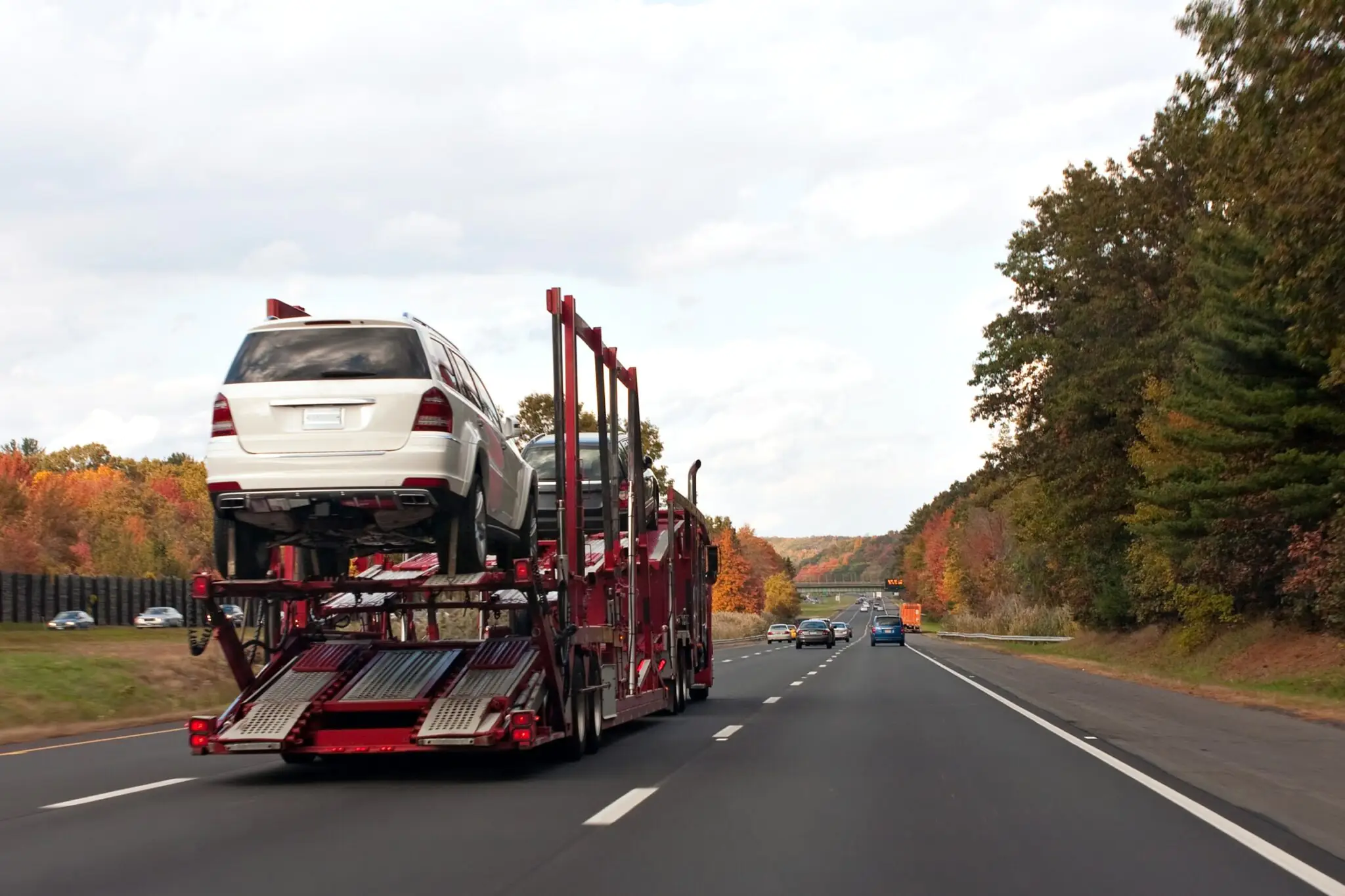


Relocating a heavily damaged or totaled car requires highly specialized transport solutions. Standard car shipping carriers are designed for vehicles that drive under their own power. Moving an auction buyout or insurance write-off requires heavy-duty winching machinery and skilled flatbed operators. Tempus Logix delivers secure and reliable salvage transport solutions tailored specifically for these challenging situations.
We manage nationwide logistics as a fully licensed broker under USDOT #3117533 and MC #86120. We are proud to be a BBB accredited vehicle shipping provider with an outstanding reputation for safety. We connect you directly with a double-vetted network of over 25,000 professional auto carriers. This expansive network ensures we find the exact equipment needed to handle your vehicle safely.
Reserve your carrier slot online today with complete peace of mind. Our online booking process is entirely free and requires no upfront payment or credit card. You only pay after our transport coordinators finalize a schedule with a verified driver. This transparent policy protects you from unexpected changes and guarantees absolute financial safety.
Ready to move your vehicle? Get a Free Quote instantly using our online calculator. You can also call our dedicated logistics coordinators at +1 (866) 607-8459 for personalized assistance.
Defining Salvage Vehicle Transport: Logistics for Damaged and Totaled Cars
Salvage vehicle transport is a specialized auto shipping service. It relocates cars declared a total loss, those with salvage titles, or vehicles with severe collision and mechanical damage. Because these vehicles usually cannot run or drive, they require specialized carriers equipped with winches, rollback flatbeds, or loading assistance from forklifts. This transport method addresses the unique physical challenges of moving compromised cars. Standard auto shipping relies on vehicles operating normally. In contrast, salvage logistics requires mechanical forces to lift, winch, and secure cars safely.
Many situations require this specialized service. Insurance companies frequently move totaled car transport assets to salvage auction yards like Copart or IAAI. Automotive rebuilders buy salvage vehicles from an online auto auction to restore or dismantle them. Private owners might need salvage car shipping after a major collision to transport their vehicle to a specialized repair shop or dismantler yard. Each scenario involves different logistics and requires precise carrier matching to avoid loading failures.
A salvage title indicates that repair costs exceeded the vehicle’s market value. These vehicles often suffer from severe structural or mechanical compromises. Common issues include bent frame components, seized engines, and deployed airbags. Standard car carriers cannot handle these vehicles because they lack the proper winch and loading gear. This is why matching your order with a specialized flatbed car carrier is critical. Our team carefully screens carriers to ensure they possess the necessary tools.
We understand that transport needs vary. We offer both open auto transport and enclosed auto transport for salvage vehicles. Open transport is the standard choice for most damaged cars. However, enclosed trailers offer extra security for high-value sports cars or classics with salvage titles. These rare vehicles benefit from classic car transport services to keep rare parts and exposed interiors protected from rain and road debris during transit.
Cargo Insurance and Liability: Verifying Coverage for Salvage Transports
Yes, standard carrier cargo insurance covers salvage vehicles during transit, but it specifically excludes pre-existing collision or structural damage. To protect your investment, always partner with a licensed FMCSA broker like Tempus Logix (USDOT #3117533, MC #86120). We rigorously double-check carrier insurance policies for inoperable exclusions and document the pickup condition on the Bill of Lading (BOL). This legal verification process ensures your shipment remains secure. It also prevents disputes regarding any damage that might occur during transit.
Specialized salvage vehicle transport offers multiple key benefits for buyers and rebuilders:
- Dual-Verification Safety: We double-check the cargo insurance policies of every carrier on our network specifically for inoperable exclusions. This step guarantees your vehicle is fully covered during the trip.
- Accurate Condition Documentation: The driver performs a meticulous visual inspection during pickup. They note all pre-existing collision damage on the Bill of Lading (BOL) and capture detailed photos. This documentation protects you from any post-delivery liability disputes.
- Prevention of Further Damage: Inexperienced operators can easily cause more damage to a compromised frame. Our vetted carriers use proper tow hooks, soft straps, and specialized tie-downs to secure your vehicle safely.
- Saves Mechanical Integrity: Proper flatbed loading keeps the steering and suspension systems free from stress. This care is essential for vehicles destined for complete rebuilds.
- Complete Administrative Support: We assist owners and insurance adjusters with proper transit paperwork. Our team ensures all release forms and transport logs are completed accurately.
Choosing a professional broker saves you from major liability risks. Many standard auto carriers have hidden exclusions in their insurance policies for inoperable transport. Our rigorous pre-screening process eliminates these risks. We verify that the assigned driver is fully licensed, insured, and equipped for salvage vehicle shipping.
The Roll, Brake, Steer (RBS) Protocol: Evaluating Your Salvage Car’s Transport Readiness
First, check if your salvage car with severe frame damage meets the Roll, Brake, Steer (RBS) protocol. Second, ensure tires hold air or coordinate for dollies. Third, secure all loose collision parts to prevent road hazards. Fourth, arrange forklift loading assistance if the vehicle cannot roll. Fifth, book with a transporter experienced in heavy winching. Following these steps ensures your vehicle is prepared for a safe journey. It also prevents unexpected loading delays and costly dry run fees.
Preparing a salvage vehicle for transport requires careful attention to physical details. Follow this comprehensive preparation guide before the carrier arrives:
1. Evaluate the Rolling Capability: Confirm that all four tires are inflated and hold air. If tires are damaged, replace them with temporary spares or notify us immediately to arrange a rollback.
2. Test the Braking System: The vehicle must have functional brakes to slow down during loading. This braking capability is critical for stopping the car safely on the carrier ramp.
3. Verify Steerable Front Axle: Ensure the steering wheel turns the front wheels. A steerable axle allows the driver to guide the vehicle onto the trailer deck accurately.
4. Secure Loose Collision Parts: Collision damage often leaves body panels, bumpers, or glass loose. Tape down or remove these items to prevent them from flying off during high-speed transit.
5. Gather Keys and Documentation: Keep the keys available even if the car does not start. Drivers require keys to unlock the steering column and shift the transmission into neutral.
6. Provide Accurate Site Access Details: Inform your coordinator of any low trees or tight roads. This info helps us confirm that a large transport truck can access the site.
Our transport coordinators guide you through each preparation step. If your vehicle fails to meet the basic RBS criteria, we proactively arrange alternative loading solutions. This thorough preparation guarantees that your salvage car shipping experience is seamless and stress-free.
The True Cost of Salvage Shipping: Winch Surcharges vs. Standard Rates
Shipping a salvage car generally costs $150 to $300 more than shipping a standard running vehicle of the same model and distance. This price difference stems from specialized loading equipment like manual or hydraulic winches and rollback flatbed tow fees. It also reflects the extra labor and time required to secure damaged vehicles. Understanding these pricing variables helps you plan an accurate budget. We provide clear, transparent pricing upfront with no hidden fees.
Several distinct factors influence the overall cost of salvage vehicle shipping. We outline these key variables to ensure you know exactly what to expect:
| Transport Factor | Standard Running Vehicle | Inoperable Salvage Vehicle |
|---|---|---|
| Winch Service Fee | No charge (driven onto trailer) | $150 to $300 surcharge |
| Jump-Start Service | No charge | $80 fee if battery is dead |
| Dry Run Surcharge | Rare (applies if not ready) | $150 fee if vehicle is not loadable |
| Equipment Required | Standard ramps and tie-downs | Heavy-duty winches, tow cables, or flatbed rollbacks |
| Carrier Availability | Access to entire carrier fleet | Specialized fleet with winch gear |
Our transport coordinators review your vehicle’s physical condition during booking to provide an accurate, all-inclusive quote. Booking online through our website is completely free with zero upfront charges or credit card requirements. We only charge your payment method after we assign a verified carrier to your route. This customer-first approach guarantees honest pricing and complete financial transparency.
Overcoming Severe Damage: Shipping Salvage Cars without Keys or Wheels
Yes, you can ship a salvage car without keys or wheels, but it cannot be loaded via a standard winch. Instead, the pickup and delivery locations must have heavy equipment like a forklift or crane to lift the vehicle. You must notify your transport broker upfront to avoid a dry run fee. Failing to report severe structural damage can leave the carrier unable to load your vehicle. This situation results in a cancelled pickup and a standard dry run fee of $150.
Severe physical damage requires specialized logistics. Consider these practical solutions for heavily compromised salvage cars:
- Missing Wheels or Flat Tires: Vehicles with flat tires or missing wheels will dig into metal carrier ramps. You must install temporary spare tires or arrange local forklift assistance at both ends.
- Seized Suspensions or Bent Axles: A bent axle prevents a vehicle from rolling straight. In these cases, carriers use specialized steel dollies or rollback tow trucks to guide the vehicle.
- Locked Electronic Parking Brakes: Many modern salvage cars feature electronic parking brakes that lock when the battery dies. You must coordinate a jump-start or use a forklift to load the car.
- Lost or Missing Keys: Drivers need keys to unlock the steering wheel and put the transmission in neutral. If keys are missing, you must verify that the vehicle steering is unlocked before pickup.
Tempus Logix coordinates closely with specialized rollback haulers and local crane operators to manage these severe scenarios. Our team ensures that all equipment is arranged beforehand to prevent on-site delays. This thorough planning guarantees a safe and efficient loading process.
Auction Pickup Logistics: Coordinating with Copart and IAAI Yards
To pick up a salvage vehicle from Copart or IAAI, first pay all auction buyer fees in full. Second, secure the Gate Pass and Pickup PIN. Finally, provide these credentials and the lot number to your carrier. Ensure you schedule the pickup within the yard’s free storage window. This avoids costly daily auction storage fees. Failing to meet these tight pickup windows can result in steep storage surcharges ranging from $50 to $100 per day.
We possess extensive experience managing logistics with major dismantler yards and salvage auctions. Follow this streamlined workflow to ensure a smooth auction pickup:
- Pay All Bidding and Buyer Fees: Auction yards will not release any vehicle with an outstanding balance. Ensure your payment is fully processed and cleared.
- Secure the Gate Pass and Pickup PIN: Obtain the official Gate Pass (Copart) or Stick Number (IAAI). These numbers act as the official release authorization.
- Share Credentials with Tempus Logix: Provide your lot number, buyer number, and pickup PIN to our coordinators immediately after booking. We will forward these details directly to the assigned carrier.
- Coordinate with the Assigned Driver: The driver uses the pickup PIN to gain entry to the auction yard. They load the vehicle and inspect its physical condition before departing.
Our dedicated transport coordinators monitor auction deadlines closely. We prioritize salvage transport requests from auction yards to ensure rapid dispatch. This proactive management helps you avoid expensive late storage fees and protects your investment.
Avoiding the $150 Dry Run Fee: Preparing Your Salvage Pickup Site
To avoid a $150 dry run fee during salvage shipping, first ensure the pickup driveway is accessible to a massive truck. Second, verify the vehicle meets RBS (Roll, Brake, Steer) rules. Third, confirm that all auction gate passes are valid. Finally, clear any obstacles that prevent safe winching. This physical site preparation prevents costly loading failures. It also ensures the driver can secure your vehicle safely and efficiently.
If the carrier arrives but cannot complete the pickup due to site restrictions or vehicle readiness issues, a dry run fee is applied. We outline these key site preparation steps to help you avoid this surcharge:
1. Select a Spacious Meeting Location: Large 80-foot auto transport haulers cannot navigate narrow residential streets. If access is restricted, arrange to meet the driver at a nearby shopping center parking lot.
2. Double-Check the Vehicle Condition: Confirm that the vehicle condition matches the booking details. If the tires have gone flat, notify us immediately so we can dispatch the correct winch-equipped truck.
3. Clear All Site Obstacles: Ensure there are no low-hanging tree branches, low wires, or parked vehicles blocking the carrier’s path. Drivers require ample space to safely operate winches and rollback decks.
Below are answers to the most common questions regarding our specialized transport services:
What are the requirements for shipping an inoperable vehicle?
To ship an inoperable vehicle, the car must meet the Roll, Brake, Steer (RBS) protocol. This means the car must have rolling tires that hold air. It also requires functional brakes to stop on the loading ramp and a steerable front axle to guide it safely. If your vehicle lacks these features, you must notify us upfront so we can coordinate specialized rollback flatbeds or forklift loading services instead.
What if my battery is dead or the engine won’t start?
If your vehicle has a dead battery, we offer portable jump-start assistance for an $80 fee. If a jump-start successfully starts the vehicle, the driver can drive it onto the trailer deck safely. If the vehicle remains inoperable after the jump-start attempt, a winch service fee ranging from $150 to $300 applies. This fee covers loading the car onto the trailer.
My car is inoperable. Can the truck come directly to my driveway?
Large car shipping trailers cannot safely access narrow residential driveways. For inoperable shipments, we must confirm local street accessibility for a massive semi-truck. For streets with tight turns or weight limits, coordinate a spacious nearby meeting location with the driver. This ensures a safe and efficient winching process.
My car has flat tires. Can you still ship it?
Yes, but you must report flat tires during booking to avoid loading failures. If the tires can hold air for at least one hour, standard winching is possible for an additional fee. If the tires cannot hold air or are missing, we must coordinate specialized rollback tow trucks or on-site forklift assistance to lift the vehicle.
I lost the keys to the vehicle. Can you still pick it up?
Yes, but you must ensure the vehicle doors are unlocked and the steering wheel can turn. The vehicle must be placed in neutral and rolled to proceed with winching. If the doors are locked or the steering is seized, we cannot load the car without keys unless you arrange local forklift lifting services.
What is a dry run fee, and when does it apply?
A dry run fee is a standard $150 surcharge applied if the carrier arrives but cannot complete the pickup or delivery. This happens if the vehicle is not ready, has unreported rolling issues, or the location is completely inaccessible. Providing accurate details during booking prevents this fee.
Why Choose Tempus Logix for Salvage Vehicle Transport
- Inoperable Classic Car Transport: Professional Non-Running Vintage Shipping
- Winch Load Car Transport: Specialized Non-Running Vehicle Shipping
- Accident Car Shipping: Professional Damaged Vehicle Transport Solutions
Tempus Logix delivers premier logistics expertise for shipping salvage and totaled car transport vehicles. We manage every aspect of your shipment with a commitment to transparency and safety. Our credentials as an FMCSA-compliant broker include active surety bonds, USDOT #3117533, and MC #86120. We hold a Better Business Bureau accreditation, reflecting our high standards of service. Our network connects you with over 25,000 double-vetted carriers equipped with heavy winches and flatbeds.
We prioritize your peace of mind throughout the entire shipping journey. Booking online through our website is completely free with no upfront payments or deposit requirements. You only pay after we assign and verify a carrier for your route. Learn more about our comprehensive vehicle logistics capabilities on our main Inoperable Vehicle Transport page.
Ready to secure your transport schedule? Get a Free Quote online today with no upfront cost. For direct assistance, call our expert transport coordinators at +1 (866) 607-8459.
Related Salvage and Inoperable Shipping Guides
Explore our other detailed guides to make informed decisions for your specialized shipping needs. We coordinate safe, nationwide solutions for all damaged and non-running vehicles:
- Non-Running Vehicle Transport: Learn the essential steps for shipping standard inoperable cars, classic restoration projects, and vehicles with mechanical breakdowns.
- Car Auction Tips: Discover expert advice for bidding, buying, and shipping cars successfully from major online auto auctions.
- Copart Shipping Guide: Read our guide on coordinating release codes, pickup PINs, and carrier logistics with Copart salvage yards.
- Reseller Shipping Guide: Explore custom transport programs, volume discounts, and logistics solutions designed specifically for automotive dealers and salvage rebuilders.