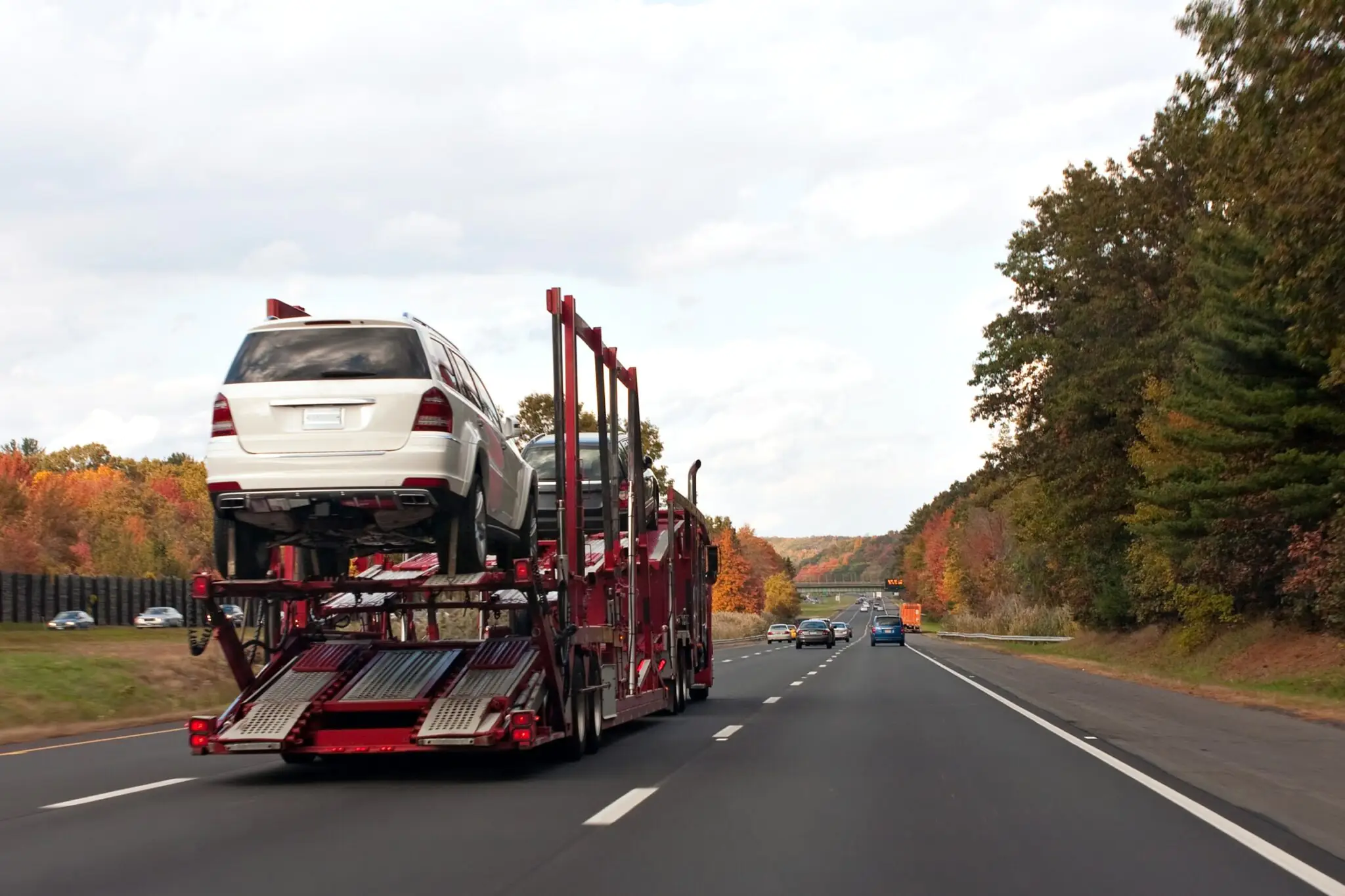
Tempus Logix recently transported a 2015 International Terra Star ambulance from Miami, Florida to Chino, California. The 14,000-pound emergency vehicle covered 2,750 miles and required specialized equipment. Standard car haulers can’t handle vehicles in this weight class.
Understanding Specialized Ambulance Truck Transport Requirements
Ambulances require careful planning before transport begins. The 14,000-pound weight puts this vehicle well above typical passenger cars that weigh 3,500 to 4,500 pounds.
Tempus Logix verifies all dimensions before confirming the final price. Height, width, and length measurements determine whether a vehicle qualifies as oversized. Federal regulations set maximum dimensions at 8 feet 6 inches wide and 13 feet 6 inches tall.
The Terra Star needed dimension verification to confirm it stayed within legal limits. Anything beyond standard measurements requires special permits from each state along the route.

Additional Costs: Permits, Escorts, and Specialized Equipment Fees
Heavy vehicles require permits even when dimensions stay within legal limits. Weight permits ensure transport stays compliant with DOT regulations. Each state charges its own permit fees.
The Miami to Chino trip crossed Arizona, New Mexico, and Texas. Each state required separate permits for the heavy load. Permit costs typically range from $100 to $500 per state.
Escort vehicles weren’t needed for this ambulance because it fell within legal dimensions. The combined weight stayed under the 80,000-pound federal maximum.
14,000 lbs Weight Class: Equipment and Trailer Requirements
Standard car haulers can’t safely transport 14,000-pound vehicles. Three main trailer types handle this weight category.
RGN trailers work best for heavy vehicles between 10,000 and 40,000 pounds. Step deck trailers offer a lowered deck design. Lowboy trailers provide the lowest deck height.
RGN trailers feature a detachable front section that lowers to ground level. This makes loading much easier. The front section reattaches after the vehicle drives onto the deck.
Why RGN Trailers Are Ideal for 14,000 lb Ambulance Trucks
The Terra Star loaded onto an RGN trailer for good reasons. These trailers handle weight distribution better than flatbeds. The removable gooseneck design allows the entire front to disconnect.
Tall vehicles must maintain legal height when loaded. Adding the deck height to the vehicle height determines total transport height. RGN trailers sit lower than standard flatbeds and kept this ambulance under the 13 feet 6 inches limit.
The RGN design also protects the ambulance during loading. The deck lowers almost to ground level. Vehicles drive straight on without steep ramp angles that could cause damage.
Estimated Transit Times for 2,750-Mile Ambulance Delivery
The Miami to Chino route covers roughly 2,750 miles. Federal Hours of Service regulations limit drivers to 11 hours of driving per day. At 60 miles per hour average speed, drivers cover 500 to 600 miles daily.

The 2,750-mile journey takes approximately 5 to 6 days of driving time. This accounts for rest breaks and fuel stops. Weather and traffic add variability to any cross-country transport.
This ambulance delivery took 7 days from pickup to final delivery. The driver followed all DOT regulations and maintained proper rest periods. The vehicle arrived in Chino without damage.
Tempus Logix handles heavy vehicle transport with attention to detail. Every dimension gets verified and every permit gets secured before the truck leaves. No shortcuts happen when 14,000 pounds of emergency equipment travels across the country.
Shipping Summary
Vehicle: 2015 International Terrastar Ambulance
Route: Miami, FL to Chino, CA (2,700 miles)
Miami, FL → I-10 W → Houston, TX → San Antonio, TX → El Paso, TX → Tucson, AZ → Phoenix, AZ → Blythe, CA → I-10 W → Ontario/Chino, CA
Service: RGN Specialized Trailer
Total Price: $5,500 ($2.03 per mile)
Enroute Transport Permits
| State | Permit Required? | Key Notes | Typical Legal Dimensions (before permit) |
| Florida (FL) | Yes | Permits from Florida DOT; dimensions >8’6″W/13’6″H or weight over limits. Trip permits valid ~10 days, blanket up to 12 months. (Florida Highway Safety) | ~8’6″ W, 13’6″ H, 75’ L |
| Alabama (AL) | Yes | Permit required for oversize/overweight. Contact AL DOT. (FHWA Operations) | ~8’6″ W, 13’6″ H |
| Mississippi (MS) | Yes | Must obtain oversize/overweight permit. (Keller Permits) | ~8’6″ W, 13’6″ H |
| Louisiana (LA) | Yes | Permits required; often with police/pilot cars if extremely oversize. (Keller Permits) | ~8’6″ W, 14′ H |
| Texas (TX) | Yes | Permit from TxDMV; Texas generally flexible for oversize/overweight. (The Carrier Info) | ~8’6″ W, 14′ H |
| New Mexico (NM) | Yes | Oversize/overweight permits required. (Keller Permits) | ~8’6″ W, 14″ H |
| Arizona (AZ) | Yes | Must obtain permit for oversize/overweight moves. (Keller Permits) | ~8’6″ W, 14′ H |
| California (CA) | Yes | Caltrans permits required for oversize/overweight; strict routing and lead times possible. (The Carrier Info) | ~8’6″ W, 14′ H |