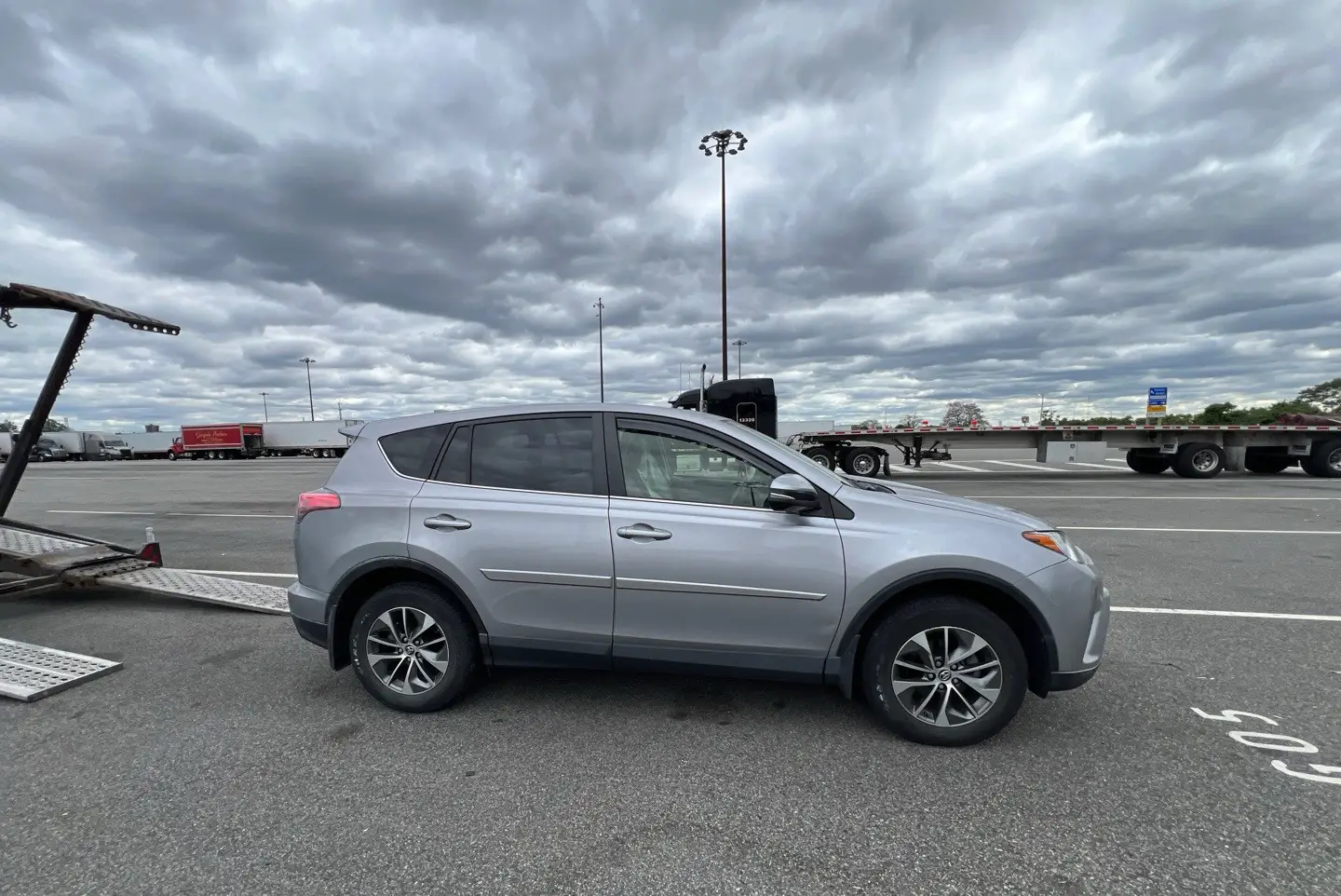
Shipping a 2018 Toyota RAV4 from Houston, TX to Fort Lee, NJ
Moving a car from one end of the nation to another requires much more effort than anyone would think. The dimensions of the car and the route and method of transportation will have a direct impact on how much you will need to pay for your SUV, such as a 2018 Toyota RAV4. In a recent shipment by Tempus Logix, the car was moved from Houston, TX 77062 to Fort Lee, NJ 07024. This journey covered a distance of 1,630 miles using open transportation at a cost of $1,250.
What It Costs to Ship an SUV from Houston to Fort Lee

Houston-New Jersey route has ships moving through it on a regular basis; therefore, getting space on an available ship is usually not difficult. Ships normally travel eastward on I-10 through Louisiana and Mississippi and then continue north towards the Southeast and New Jersey. Such regular traffic makes this particular route competitive in price.
As regards transporting this RAV4 model, using an open carrier was recommended. The capacity of an open carrier is around nine cars at once, and thus its per-car price is reduced as the cost of fuel as well as driver services is split among them all. There is no need for protecting the 2018 RAV4, as it is not a special car requiring enclosure.
This puts the route into the medium-to-long category of distances, which are 1,630 miles in total. Mileage rates decrease with increasing distances due to fixed costs being allocated across greater distances in long routes. This $1,250 rate accounts for both the distance covered and the heavy shipping volumes for both Houston and New Jersey metropolitan areas. Trucks operating on these routes never go back without cargo, keeping rates competitive.
Delivery time for this route is about 4 to 5 days. This time frame depends on FMCSA Hours of Service rules, which put restrictions on drivers, allowing them only 11 hours per day driving. Therefore, the travel time for the 1,630 mile route will take approximately three to four driving days.
SUV vs. Standard Car Shipping: Is There a Price Difference You Should Know About?

Indeed, and it’s not very difficult to see why that is so. Since SUVs occupy more deck space than smaller cars do, the capacity of each transport will be reduced because the total space available is finite. Hence, carriers charge a little more to transport SUVs compared to standard passenger vehicles.
The RAV4 happens to be one of the smaller SUV models out there, which is great news for you. Trucks and full-size SUVs have a larger footprint, causing them to cost even more. The RAV4 is quite easy to ship using standard carriers, and nothing fancy is required.
Here is the way in which the size of the automobile determines the price for open transport for distances over 1,500 miles. Smaller automobiles cost about $700-$1,100 to transport over such a distance. Normal-sized cars will cost about $800-$1,200 for the same distance. Mid-sized SUVs such as the RAV4 will cost $900-$1,300, and big trucks/SUVs might cost from $1,000-$1,500 and even higher. The $1,250 charged for this RAV4 transport is right within the mid-sized price category for open transport over 1,630 miles
Being aware of the type of vehicle you have, along with the route and mode of transport, before making your inquiries will help you make sense of what’s available. In case of an ordinary SUV moving from Houston to Fort Lee through a busy route, open transport at market price will be a good option and much more affordable. Tempus Logix moves freight in and out of all 50 states.
Transport Summary
- Pickup: Houston, TX, 77062
- Destination: Fort Lee, NJ, 07024
- Distance: 1630 mile
- Price: $1250 ($ 0.77 per mile)
- Route: Houston I-10-I-65-I-20-I-85-I-95-George Washington Bridge

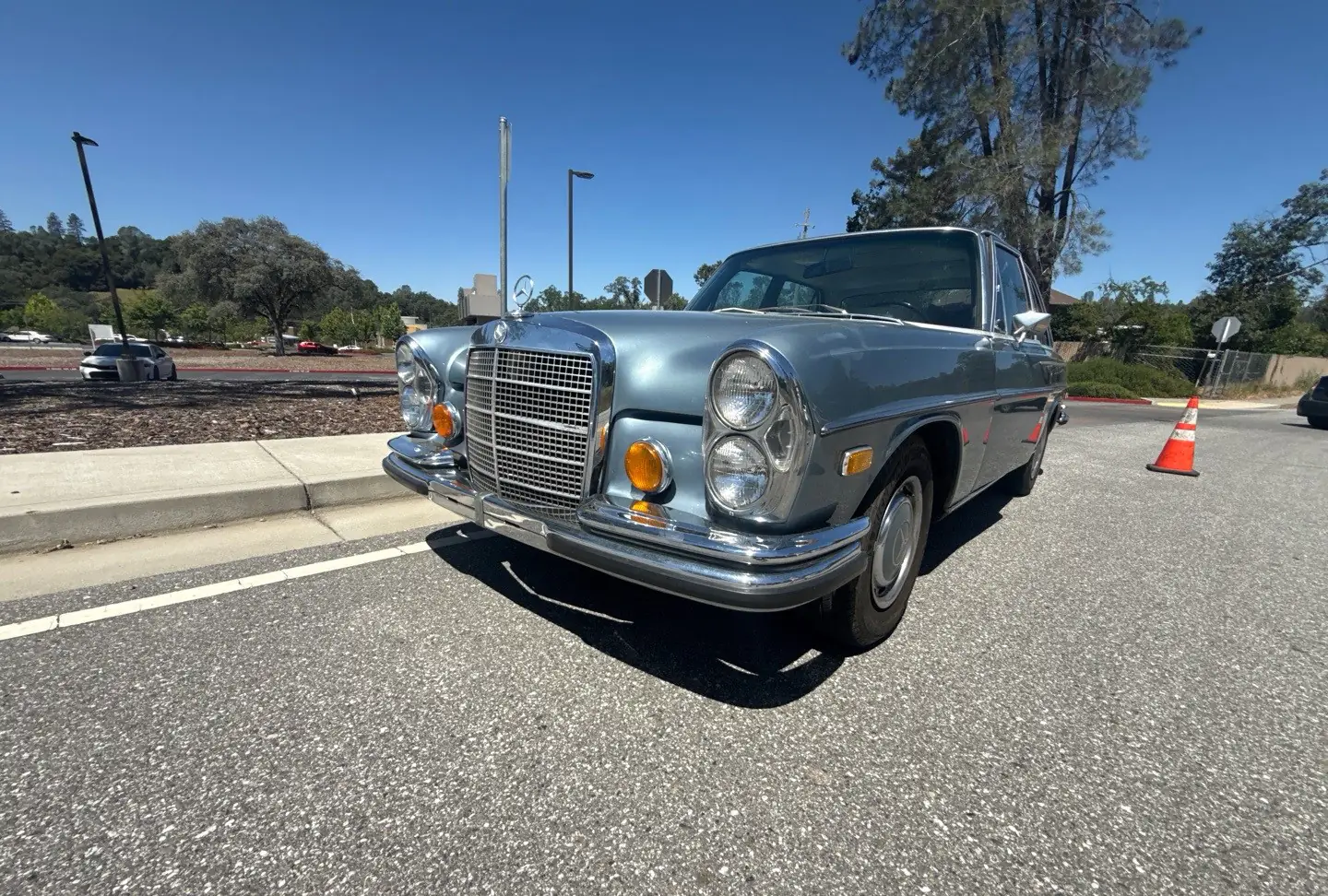
Shipping a 1972 Mercedes-Benz 280SE from Auburn, CA to West Orange, NJ
The 1972 Mercedes-Benz 280SE is more than just an old vehicle. This is a W108 series car, which is quite likely to outlive many other vehicles produced in the same year. To deliver a Mercedes-Benz 280SE from Auburn in California to West Orange, New Jersey, it would be necessary to move the vehicle across the country, covering approximately 2,800 miles. But before proceeding, a number of issues should be clarified: how much will this shipment cost, which trailer would be appropriate for such a vintage car, and which shipping route is to be selected.
What it costs to ship a vintage car with an open trailer

Open transportation is one of the most prevalent shipping methods used for automobiles in the US.
Carriers use multi-car transporters on all the major interstate highways, so there will rarely be any problem finding someone who can carry your automobile. Pricing is also more affordable than enclosed transportation. Shipping across the country, which averages about 2,800 miles, will usually cost $1,200-$1,600 for an average sedan using open transportation. As the 280SE is a full-size sedan, you would probably get quoted prices in the mid-range.
Some factors influence the actual quote that the carrier provides. Season is one important thing to keep in mind, as the months ranging from late spring till early summer see higher demand for carriers. Fuel prices also have an impact on the pricing of carriers, meaning quotes from different weeks may vary considerably. Auburn is located in the Sierra Nevada foothills. While it is not isolated, carriers still have to move somewhat off the I-80 interstate road network.
Open vs. enclosed car shipping for a vintage car

That is the dilemma faced by most classic car owners and there is no definite answer as each case is different. In terms of criteria, the Mercedes-Benz 280SE produced in 1972 qualifies as a collectible car. The car is over fifty years old and features chrome trim around its exterior. Repair costs for chipped paint from debris will be higher compared to repair costs for modern sedans. For instance, the price range could start at two hundred dollars and go up beyond one thousand dollars depending on whether it needs body shop service.
An open carrier cannot protect a vehicle from the road. This means one will encounter dust particles from the road and even rainwater during the trip. On the route that spans 2,800 miles and travels through areas of Nevada that have dry conditions, as well as Pennsylvania with possible dampness, these risks become evident. Nonetheless, there is usually nothing wrong with the majority of cars because carriers know the proper loading techniques.
The enclosed trucks only comprise about ten percent of all trucks that can be used for shipment, making them more expensive than other trucks and more difficult to obtain. In case the 280SE has an original paint job, which means that it is also in show-quality condition, then spending more money on enclosed truck transport is justified. Similarly, if the 280SE has undergone restoration, then spending extra money on enclosed trucks would be worthwhile.
The route

Auburn lies around 35 miles northeast of Sacramento and close to Interstate 80. This will be great because Interstate 80 is a major east-west transportation corridor used by many carriers transporting cars from Northern California to the East Coast. It does not take much time to find a hauler when you have picked up your car at a location on the Interstate 80 route.
The hauler will travel east via I-80 along the Sierra Nevada range, pass through Reno, Nevada; then go through Salt Lake City and across south central Wyoming and Nebraska. Following Chicago, it turns southwest through Indiana and Ohio, then into Pennsylvania, and finishes off in northern New Jersey. West Orange is located in Essex County, only a couple of miles from Newark, which many carriers using the East Coast route must traverse.
The total transit time would be between seven to ten days. This is because the transporter will be loading several other vehicles during this journey since most transporters transport between seven to ten cars at a time. This will mean that your Mercedes-Benz 280 SE could either be the first or the last vehicle being transported, based on the order of the transporter’s route. If your vehicle is the first one to be loaded, then it will take longer to arrive at its destination.
Transport Summary
- Pickup: Auburn, CA, 95602
- Drop off: West Orange, NJ, 07052
- Price: $1550 ($0.55 per mile)
- Distance: around 2800 mile
- Trailer type : Open
- Vehicle: 1972 Mercedes-Benz 280se
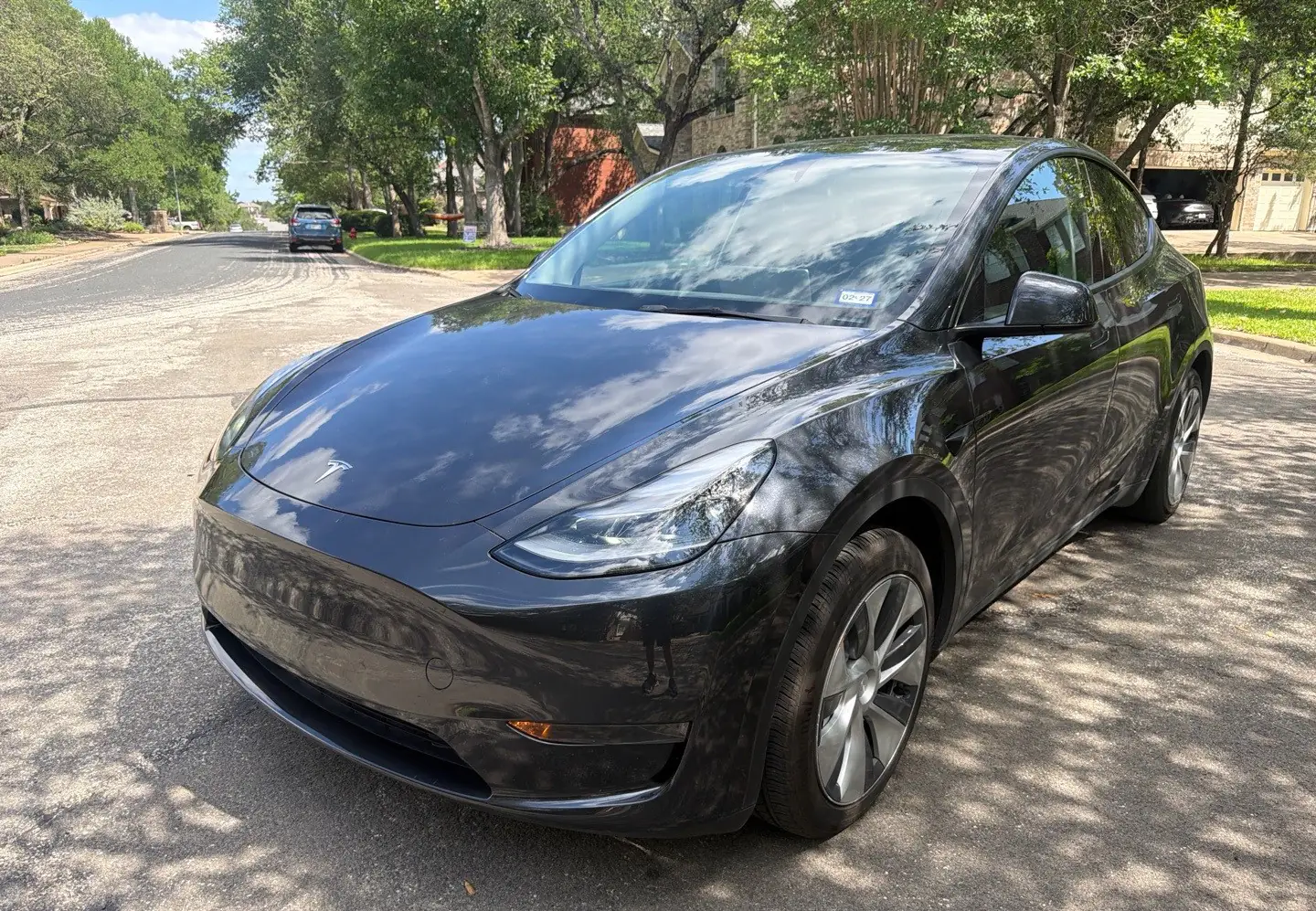
Shipping a Tesla Model Y from Austin, TX to San Francisco, CA
Preparing to transport your new 2024 Tesla Model Y from Austin, TX? Here’s a route that sees a lot of action! One of the best interstate shipping routes in America, the Texas to California corridor means your shipment should have a lot of carrier options and competitive pricing. Shipping an electric vehicle requires some special considerations.
The route

A distance by road from Austin to San Francisco is 1,760 miles. According to the federal Hours of Service rules, drivers cannot exceed 11 hours of driving within a single day. Consequently, carriers can only move for 400-500 miles each day. Your delivery is likely to take five to seven days.
Transit time is different from driving time. Car transporters normally collect between 7 and 10 vehicles on each trip, so additional days may be spent on scheduling both pickups and deliveries. As a rule, the last car collected will be delivered last because the last collected vehicle can arrive at the destination point faster.
When requesting a quote from the transporter, specify how much time the company will need to deliver your vehicle. A reliable transport company will provide you with an estimate of transit time but not guarantee any specific delivery date.
EV-Specific Preparation for the Tesla Model Y

For the 2024 Tesla Model Y, which is an all-electric vehicle, there are a few pre-pickup preparations that do not have to be done for a conventional automobile. The first is battery charge. Your battery charge should be somewhere from 45% to 65% before pickup. This will ensure that you have enough energy to load/unload the vehicle while driving less than a mile.
The key reason why the battery charge must be within this range is overheating. Lithium-ion batteries can get overheated when left at a high charge percentage of over 80% for several days in hot weather environments such as Texas and Nevada.
Here’s a checklist for preparing your Model Y prior to pick up:
- Ensure your battery is charged to 45%-65% prior to picking up your car
- Turn off the Sentry Mode as this will drain your battery during transportation
- Unplug any accessories using either USB or 12V ports
- Make sure you disable your auto toll system
- Get an additional set of keys and be prepared to hand it to the driver
- Wash your vehicle and take pictures of all parts of the vehicle including tires and windows before the car is picked up
- Empty out all of your belongings from the vehicle
It is important to note that the vehicle inspection at pickup will protect you in case of anything that might occur during shipment. Both the driver and yourself sign a Bill of Lading to certify the condition of the vehicle before its transportation.
Open vs. Enclosed

For a 2024 Tesla Model Y in standard condition, open transport is a practical and affordable choice. The route from Austin to San Francisco runs through major shipping corridors, so carriers are easy to find and loading is straightforward.
Enclosed transport makes more sense if your Model Y has a custom wrap, upgraded wheels or any exterior modifications that push its value beyond the standard retail price. It’s also worth considering if you prefer a fully sealed environment for the battery system during a multi-day warm-weather haul.
Hard-sided enclosed trailers provide better protection than soft-sided ones since the walls are solid rather than canvas. If you go the enclosed route, ask your carrier specifically whether they use hard-sided or soft-sided trailers.
Transport Summary
- Pickup: Austin, TX, 78759
- Delivery: San Francisco, CA, 94131
- Vehicle: 2024 Tesla Model Y
- Distance: 1760 miles
- Price: $1000 ($0.57 per-mile)
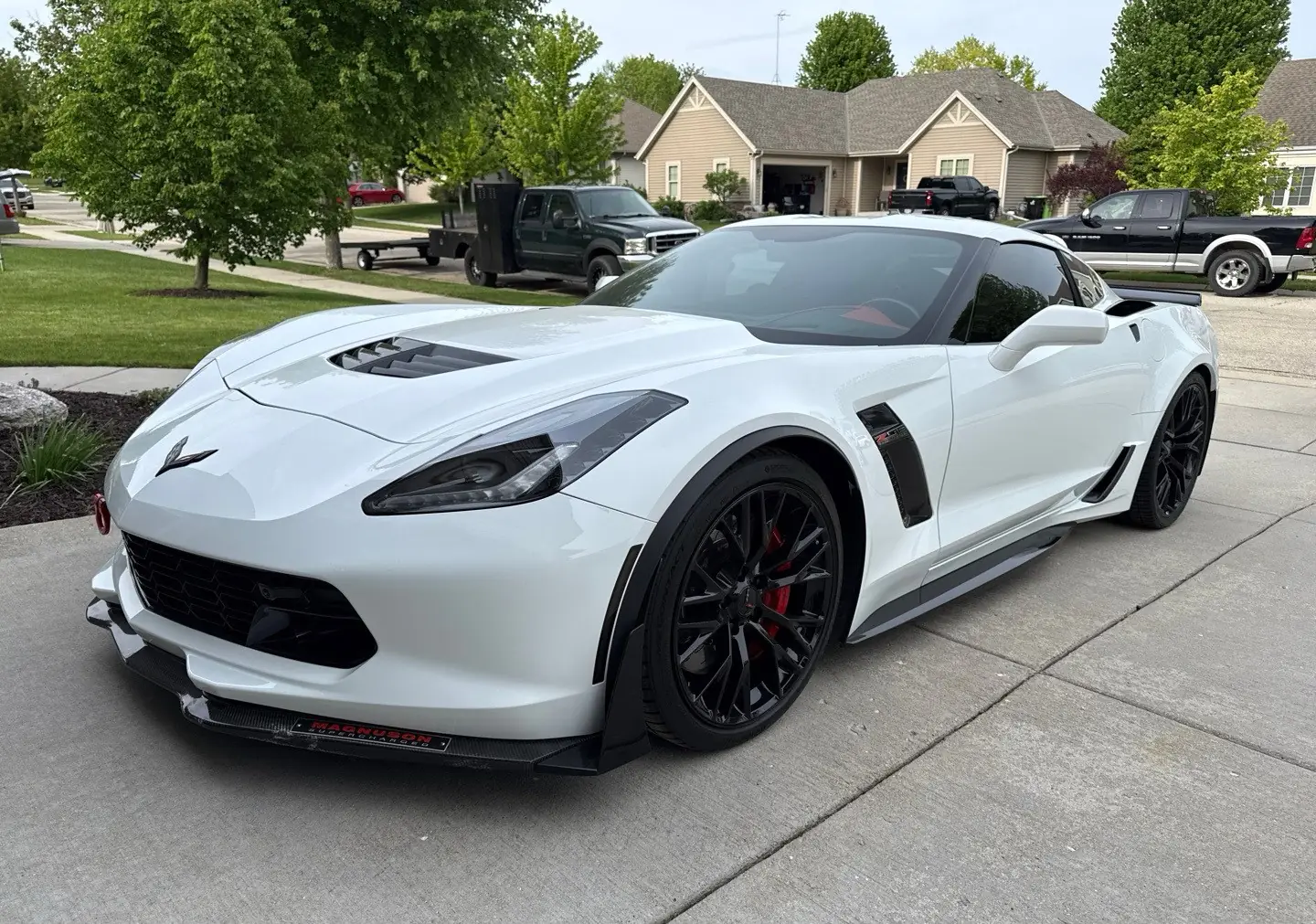
Shipping a 2019 Corvette from Hartford, WI to Tempe, AZ
A Chevrolet Corvette manufactured in 2019 isn’t shipped the same way as a family car. Route and trailer type are important factors that affect pricing. In this case, the shipment traveled a distance of 1,738 miles from Hartford, Wisconsin to Tempe, Arizona by way of a hard-sided enclosed trailer and cost $2,600. Here are some details about this particular shipment.
The Route

The shipper loaded the Corvette at Hartford, Wisconsin. This town is located northwest of Milwaukee. The path then moved from there south on I-41 until reaching Milwaukee before moving west on I-94 through Wisconsin.
The path then led through Madison and continued along I-90 southwesterly to Rockford, Illinois before turning to I-80. The western part of the path through Iowa and Nebraska is considered one of the most traveled paths for auto carriers. The reason for this is the constant amount of carriers traveling back and forth in this corridor.
After Denver, the interstate took us southwest via I-76. It then took the turn to I-25 going south to Colorado Springs and Pueblo. I-25 took us further down south into New Mexico where we passed by Albuquerque before getting onto I-40 to the west. We finally went through Flagstaff, Arizona, via I-40. It took us further south via I-17 to Phoenix to Tempe.
This is a total of five interstates and 1,738 miles. The lane that we have taken in our journey starts at Wisconsin and ends at Arizona, meaning that most of it is covered in busy freight routes. This is advantageous when booking enclosures because there are many carriers on the lane.
Why the Corvette Required a Hard-Sided Enclosed Trailer
The 2019 Corvette C7 has a ground clearance of about 4.3 inches. This means that it is considered one of those cars that have a low ground clearance. Open ramps will easily scrape its undercarriage while loading. Standard open transport ramps usually have an angle of 14 to 18 degrees in approach. Since this car has clearance of less than 4.5 inches, it faces significant scraping risk when approaching the ramp.
The hard-sided enclosed trailer did not only provide protection during the loading process. Since it had walls made out of metal and aluminum, the Corvette would be completely shielded from any road debris and the weather conditions during the 1,738 mile journey. It even provided UV protection. An open transport trailer, for example, would expose the Corvette to the rocks, dirt, and changing temperatures in the region.
The hard-sided trailers differ from the soft-sided enclosed trailers because soft-sided trailers utilize vinyl curtains on the side. While soft-sided trailers provide more protection than the open trailers, they do not provide the same level of complete protection as a hard-walled trailer because soft-sided trailers do not completely protect the car from the weather. In terms of transporting a Corvette, the hard-sided trailer is what people generally recommend. A small paint chip or other damage to a sports car is going to be more expensive than the cost to transport the car using either method.
Another factor about enclosed sports cars is that many times those who transport sports cars are experienced in loading up smaller cars because of their lower clearance. These trailers often use race ramps or approach ramps which make the incline just 6 to 10 degrees when loading the trailer. The enclosed trailers often only transport two to seven vehicles at a time.
Sports Car vs. Standard Sedan: Why the Corvette Costs More to Ship

Transporting the Corvette in an enclosed trailer at a price of $2,600 translates to about $1.50 per mile, whereas transportation of a standard-sized sedan in an open trailer would cost between $1,000 and $1,400 for the same distance of 1,738 miles. There are a number of reasons why this difference occurs other than the value of the car.
There are a lower number of cars that can be transported in an enclosed trailer than in an open carrier. The maximum number of cars in an open car trailer would be seven to ten, while in an enclosed trailer, this number would be from two to seven cars. It takes more time to transport fewer cars in one journey, hence increased costs.
Sports cars add handling complexity on top of that. Low-clearance loading takes longer and requires experienced drivers who know how to work with approach ramps and soft tie-downs. A standard sedan can be loaded quickly with standard ramps. The Corvette required more care and more time at both pickup and delivery.
Insurance requirements factor in too. Enclosed transport is standard for vehicles with significant market value, and carriers that cover sports cars and performance vehicles carry higher policy limits. That cost is reflected in the quote.
Open transport for a standard sedan runs 45 to 65 percent cheaper than enclosed transport for the same route. For a vehicle like the Corvette, that price gap is the cost of keeping a sports car in the same condition it left Wisconsin in. The alternative is rolling the dice on 1,738 miles of open exposure through some of the most debris-heavy stretches of highway in the country.
Transport Summary
- Vehicle: 2019 Chevrolet Corvette
- Origin: Hartford, WI 53027
- Destination: Tempe, AZ 85288
- Distance: 1,738 miles
- Trailer type: Hard-sided enclosed
- Total cost: $2,600
- Cost per mile: $1.50
- Primary interstates: I-41, I-94, I-90, I-80, I-76, I-25, I-40, I-17
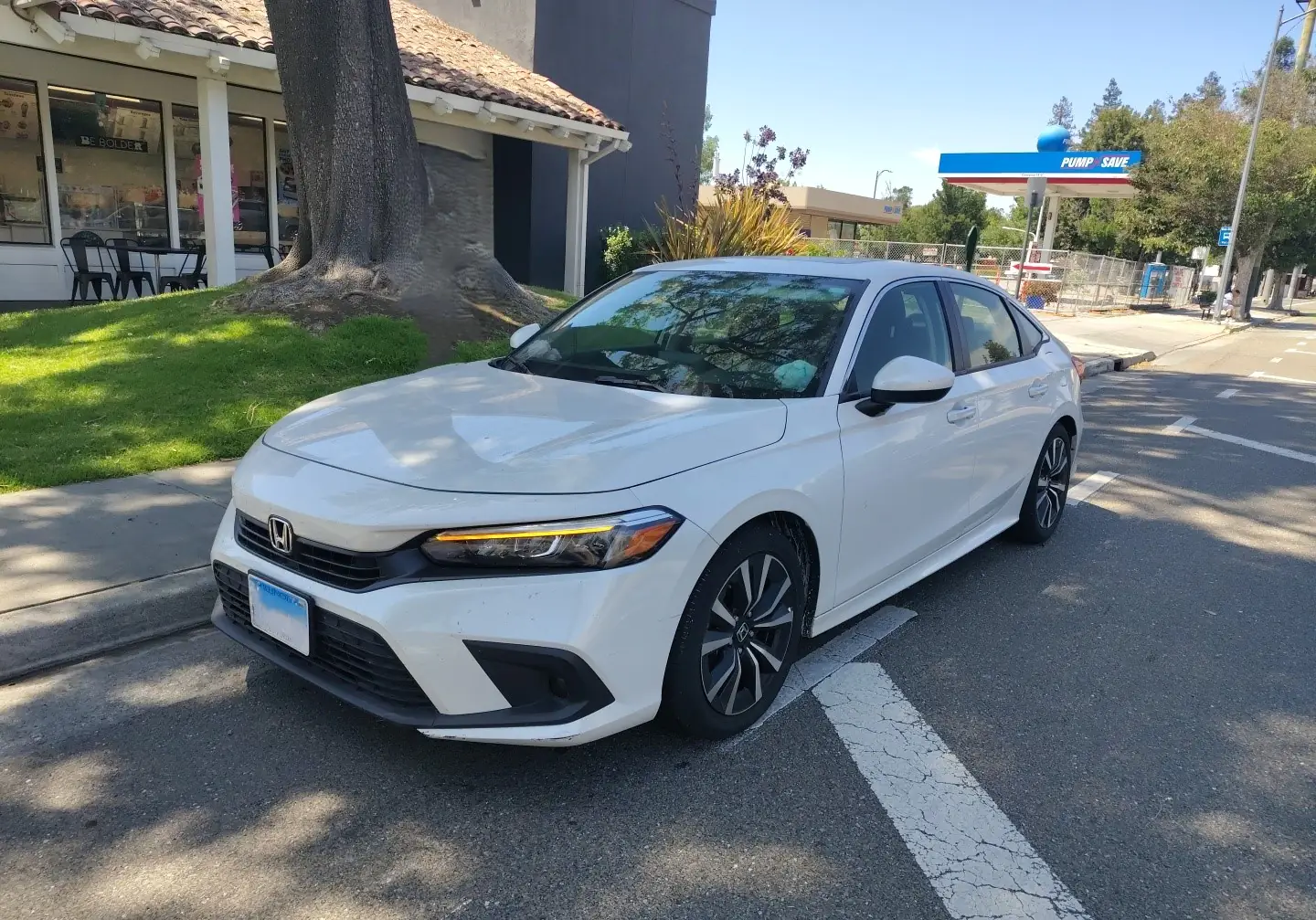
Shipping a 2022 Honda Civic from San Jose, CA to Lansdale, PA
Cross-country car shipping involves some of the longest distances that are difficult to cover. In this case, this transportation was from a 2022 Honda Civic sedan from San Jose, California, all the way to Lansdale, Pennsylvania. This is a total distance of 2,911 miles and a total price of $1,400 using an open trailer. Below is the information regarding the path used and the process involved in open trailer car shipping.
What 2,911 Miles Actually Means on a Cross-Country Shipment

The route from San Jose to Lansdale runs almost up to the maximum permissible limit within domestic automobile transportation. Thus, the point of departure is in Santa Clara County of South Bay Area while the destination point is located in the state of Pennsylvania, approximately 25 miles to the north-west from Philadelphia. On its route the carrier should pass through as many as ten states and several mountain ranges.
The time required for such cross-country automobile transportation should amount to seven to ten transit days on an open carrier. Under Hours of Service requirements for truck drivers, they have up to eleven hours of operation per day during which they can move approximately 400-500 miles. Accordingly, a 2911 mile route may be covered in six-seven working days plus pickup/delivery.
High freight density on this route is one of the factors that should contribute positively to the transportation process. First of all, the shipper will not have difficulty in planning his schedule and secondly, he is likely to enjoy favorable prices due to absence of any additional fees for staging.
How the Route Played Out
From San Jose, the plane took the interstate of I-80, passing through the San Francisco bay area. In Oakland, it crossed over the Bay Bridge before heading east. The interstate of I-80 is the primary east-west interstate in this route and makes up most of its length.
In California, Interstate 80 runs over the Sierra Nevada mountains from Donner Pass into the Nevada high desert. Interstate 80 runs east through Reno and out to Salt Lake City, Utah. From Salt Lake City, I-80 travels northeast through Wyoming via Cheyenne into Nebraska, where it crosses the Missouri river in Omaha.
I-80 passes through Iowa and Illinois and goes through the flattest freight roadways in the nation. Auto carriers travel through this segment continuously because they are carrying their cargo either east or west; therefore, this is a good segment for multiple cars.
From the Illinois and Indiana state line to Ohio, the route heads further eastward following I-80 to reach Pennsylvania. The truck carrier then made a left-hand turn and followed I-76 after reaching the Ohio and Pennsylvania state lines. This interstate highway is called the Pennsylvania Turnpike and heads east through the Pennsylvania cities of Pittsburgh, across the Appalachians, Harrisburg, and Philadelphia.
In total, the route traveled through ten states. It passed through California, Nevada, and Utah first. Then, it continued through Wyoming and Nebraska, followed by Iowa and Illinois, Indiana, and Ohio until finally reaching Pennsylvania.
What the Honda Civic Was Loaded Onto

The open carrier accounts for almost 90% of all transportation for automobiles in the United States. This is how vehicles are normally transported, and the Honda Civic is just the kind of car that was meant for this process.
The open vehicle transporter is a double-deck truck, which can carry from seven to ten cars in one shipment based on their sizes. The top deck is loaded first as the tailgate lowers due to hydraulic lift and becomes a ramp. Vehicles drive onto the deck, and they are fastened in four places using straps and tied down to the chassis of the automobile.
Because there is no wall nor any roof on open trailers, the transportation process exposes the vehicles to weather elements and road debris. However, for the case of 2022 Honda Civic, this is not normally a cause for concern since it is a very well-protected production vehicle that will not require special attention in order to survive in regular highway conditions. In the same way that a classic and expensive car might be exposed to unnecessary weather exposure while using open transportation, such concerns will never apply to a standard car like the Civic.
Open trailer transportation provides some obvious benefits for the case of a Civic. First, because of a larger number of possible carriers, the scheduling process is faster. Second, because of a bigger number of cars shipped together, the costs per shipment decrease. Moreover, the standard size of the Civic allows placing the Civic within the load together with several other vehicles.
Transport Summary
- Vehicle: 2022 Honda Civic Sedan
- Origin: San Jose, CA 95123
- Destination: Lansdale, PA 19446
- Distance: 2,911 miles
- Trailer type: Open carrier
- Total cost: $1,400 ($0.48 per mile)
- Primary route: I-80 east across country, I-76 (Pennsylvania Turnpike) east to destination
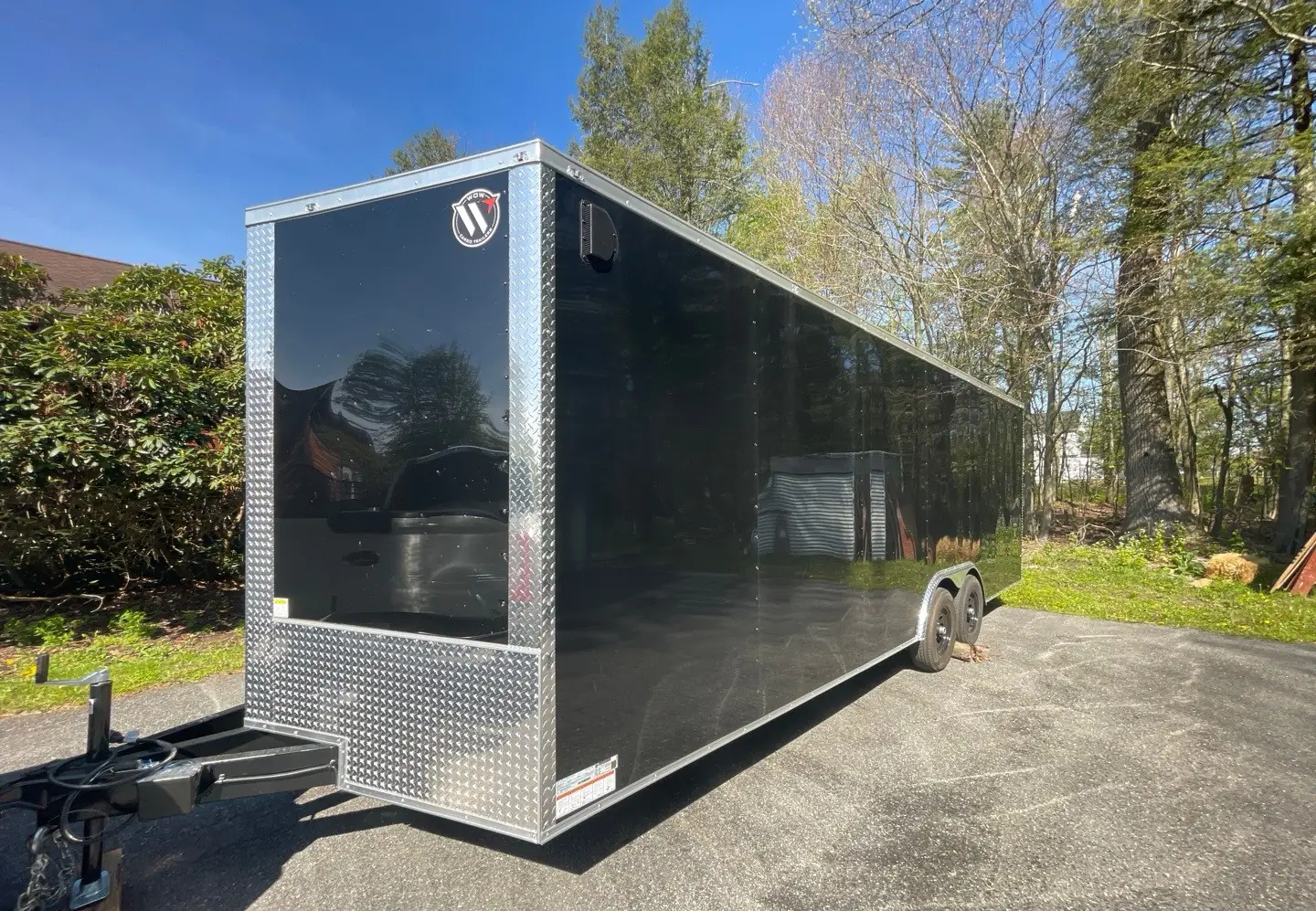
A Max Cargo Trailer from Georgia to the Pennsylvania
Shipping a standard-sized cargo trailer from one company to another is not the same as hauling a sedan car. The process entails having different equipment as well as planning routes properly. Dimension is something that comes into play as soon as you make your first inquiry about shipping your freight. This particular freight will be transported for a total of 874 miles from Cochran, GA (31014) to Blakeslee, PA (18610).
What the 2026 Max Cargo Trailer Brings to the Equation

The Max Cargo Trailer 2026 is a bumper pull trailer designed for business. It is 8.5 feet wide by 24 feet long and has a total gross weight of 3,200 pounds.
The width is the first item on the checklist. According to DOT regulations, the allowable width of a trailer is 102 inches when hauling freight on interstate highways, which equates to 8.5 feet. This trailer is built right up to the limit of this regulation. The driver does not need to obtain any additional permits for this trailer’s width. However, he has to be sure about the bridge width at all locations along his journey.
Given that its weight is just 3,200 pounds, there is no risk of going past the maximum threshold in relation to stresses that lead to problems with respect to axles of the towing vehicle.
Using the bumper pull trailer makes life easier. For the use of the gooseneck trailer, there will be the need to employ a particular mounting on the truck bed ball hitch, while the bumper pull trailer is common.
This makes work easier for the carriers in terms of selecting the appropriate tow vehicle.
The Route

The first location is Cochran which can be found within the county of Bleckley in Georgia, some fifty miles southeast of Macon city in the central part of the state. Blakeslee is in northeastern Pennsylvania and is near the mountains called the Poconos.
These two locations represent opposite ends in geographic terms and the distance between them is quite significant. The most convenient and effective approach here involves going north from Cochran onto Interstate 16 West and then joining up to Interstate 75 North towards Macon, Atlanta and finally Charlotte in North Carolina. At that point the truck will have to travel further north to either Interstate 77 or I-81 and head through Virginia and into Maryland where it should proceed northeast and end up at Blakeslee via I-80 or US-209.
Five states will come under consideration during the journey – Georgia, North Carolina, Virginia, Maryland and Pennsylvania. Each state has its specific compliance regulations and thus, the carrier has to take care of those issues prior to starting out. The 874 miles total represents a pretty decent trip for one truck driver although it would involve expenses related to fueling the vehicle and still remain within HOS restrictions.
Why Tow-Away Is the Right Method for This Trailer

The 2026 Max cargo trailer is a bumper pull trailer and thus is hauled and not loaded unto the vehicle. Tow-away hauling essentially means that the truck driver uses his truck with proper hitch equipment to hook on to the trailer and pull it to its final destination.
This is a common approach when it comes to the transport of non-motorized trailers that are roadworthy and safe to be used. The driver carries out an inspection on the trailer prior to departure and ensures the lighting and brake system is functional. Pictures of the trailer’s condition and all necessary details are taken and added to the Bill of Lading document which travels with the trailer to its final destination.
The trailer being towed results to reduced transit time when compared to haulers since the only vehicle in transit is the cargo trailer itself, without the hassle of loading or unloading other trailers. Furthermore, business to business hauling is often times more efficient than others.
Transport Summary
- Pickup: Cochran, GA, 31014
- Drop off: Blakeslee, PA, 18610
- Vehicle: 2026 Max Cargo Trailer
- Distance: 874 mile
- Price: $1500 ($1.72 per mile)
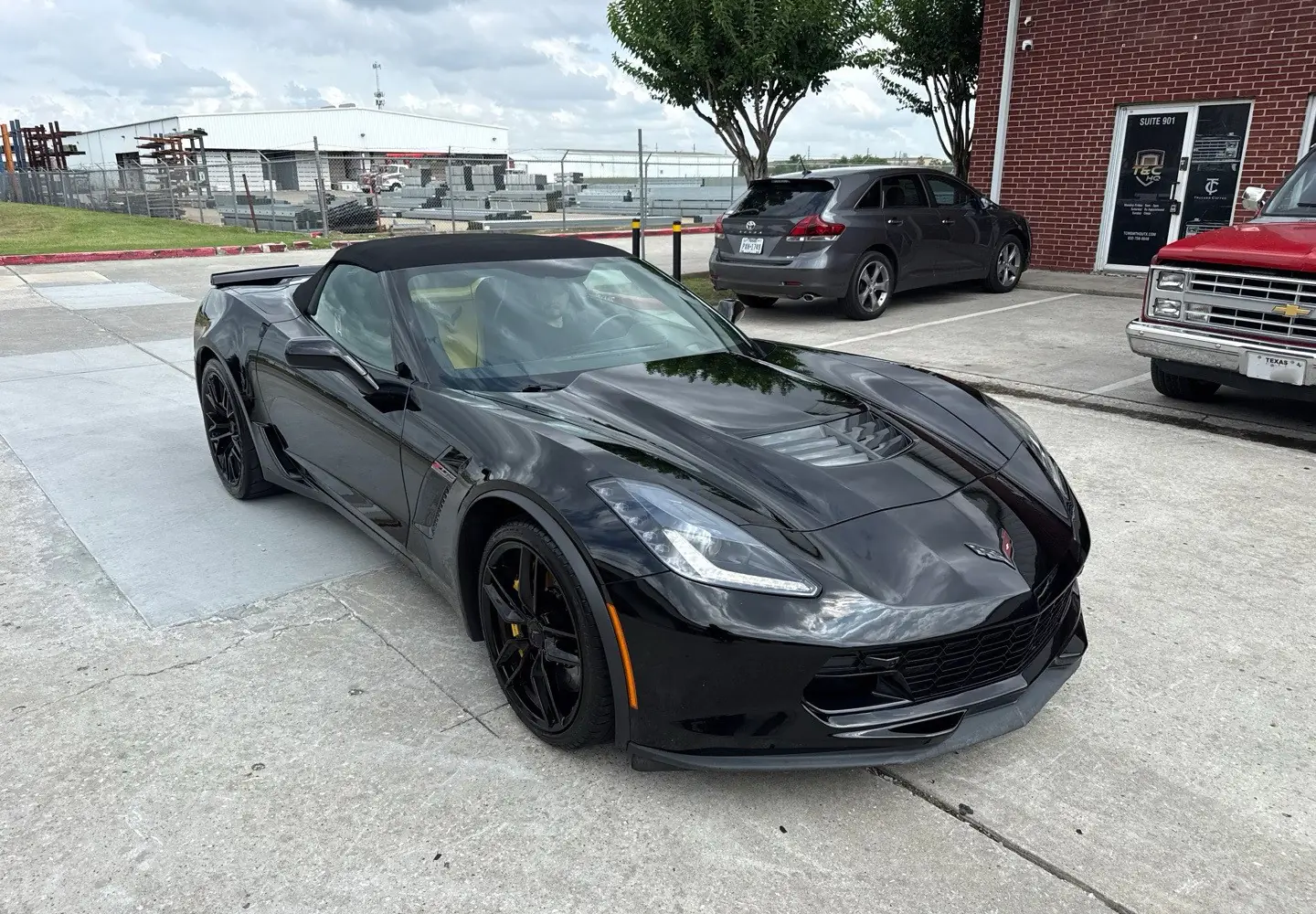
Shipping a Chevy Corvette from Houston, TX to Rio Rancho, NM
Moving a Corvette is not like moving an ordinary sedan; it is much lower on the road, and it will cost much more money to repair in case there are any problems during transport. You will also need to find someone to help you who knows what he is doing.
Tempus Logix successfully delivered a 2016 Chevrolet Corvette from Houston, TX (77041) to Rio Rancho, NM (87144) by enclosed transport. The total price was $1,623 for 853 miles.
What It Costs to Ship a Sport Car with an Enclosed Trailer

The total cost of $1,623 breaks down to about $1.90 per mile. The prices of industry rates for enclosed transport in 2025 range from $1.30 to $2.10 per mile; thus, this freight was in the middle price range. However, that is fair considering the definition of enclosed transport.
The 2016 model of the Corvette C7 car has a clearance of 4.4 inches. This means that the clearance falls within the low category because clearance below 4.5 inches requires a particular kind of loading system. In standard cars, there are fixed ramps which can scratch the air dam of rocker panels.
Now let’s consider the issue of value. A 2016 Corvette in good condition is valued at $30,000 to $45,000. Even a tiny rock chip from an open trailer results in a repair that more than compensates for any money saved in opting for a cheaper method of transport. Enclosed trailer service removes this possibility since the car is kept in a protective environment during transport.
Here are some hard figures to show the difference. While it would cost somewhere around $700 to $950 to ship the car via open trailer, the enclosed service would come to $1,623. This means an additional payment of between $650 to $700. In return, your car is transported in a safe environment, using tie downs and a driver knowledgeable about high performance cars.
Open vs. Enclosed Car Shipping

The use of open transport accounts for the movement of almost 90% of all vehicles transported in the country. The typical open transport carries between seven to ten cars in its two decks, and this keeps costs down and makes them readily available. Cars, trucks, and sport utility vehicles travel in open transport without any difficulty at all.
With the use of enclosed transport, there is a very significant difference in that the vehicle is entirely surrounded by the trailer. Metal panels surround the vehicle while a metal roof and rear door completely close off any outside elements. Ultraviolet rays do not penetrate the enclosed transport. Five to seven cars can be transported with some even carrying only two cars.
It is important to know the differences between the soft and hard-sided enclosed trailers before hiring them. The soft-sided trailer has canvas sides and a hard top, providing only partial protection and creating no hermetic sealing inside the trailer. A hard-sided trailer has a full enclosure on all sides. In case of the Corvette, a hard-sided trailer is your only option because it will protect your vehicle from all the elements.
Additionally, extra care must be taken at the time of loading. The Corvette has low ground clearance; thus, the transport must have a low-angle hydraulically controlled ramp or a tilt-bed rollback. If you do not have a proper ramp for loading, then you risk damaging the undercarriage of your car when trying to load it. Such damage can happen instantly, and its repair will cancel out any savings you had made.
Why Shipping Out of Houston Works in Your Favor

Houston is considered one of the busiest auto transport routes across the United States. There will always be plenty of carriers moving through since the city is big itself and also due to its port activities and its place along Interstate 10. Carrier availability and quickness are guaranteed because they are not coming from miles away, and prices are stable for the same reasons.
For your specific route, your cars will be transported from Houston along I-10 West through San Antonio, then switching to I-25 North to near Las Cruces, NM. Such a route is used by carriers all year round, so you have high chances of finding a suitable enclosed carrier for this lane. Your destination is not located in the middle of nowhere, and there is no need to create another shipment only to deliver your cargo there.
The city of Rio Rancho is inside Albuquerque Metropolitan Statistical Area and is quite easy to access, even for trucks. No additional expenses and hassles will occur because of difficult access to your destination point, so everything will go smoothly and the final quote will not contain any extra fees.
Transport Summary
- Pickup: Houston, TX, 77041
- Delivery: Rio Rancho, NM, 87144
- Vehicle: 2016 Chevrolet Corvette
- Trailer type: Hard-side enclosed
- Distance: 853 mile
- Price: $1623, per-mile rate $1.90
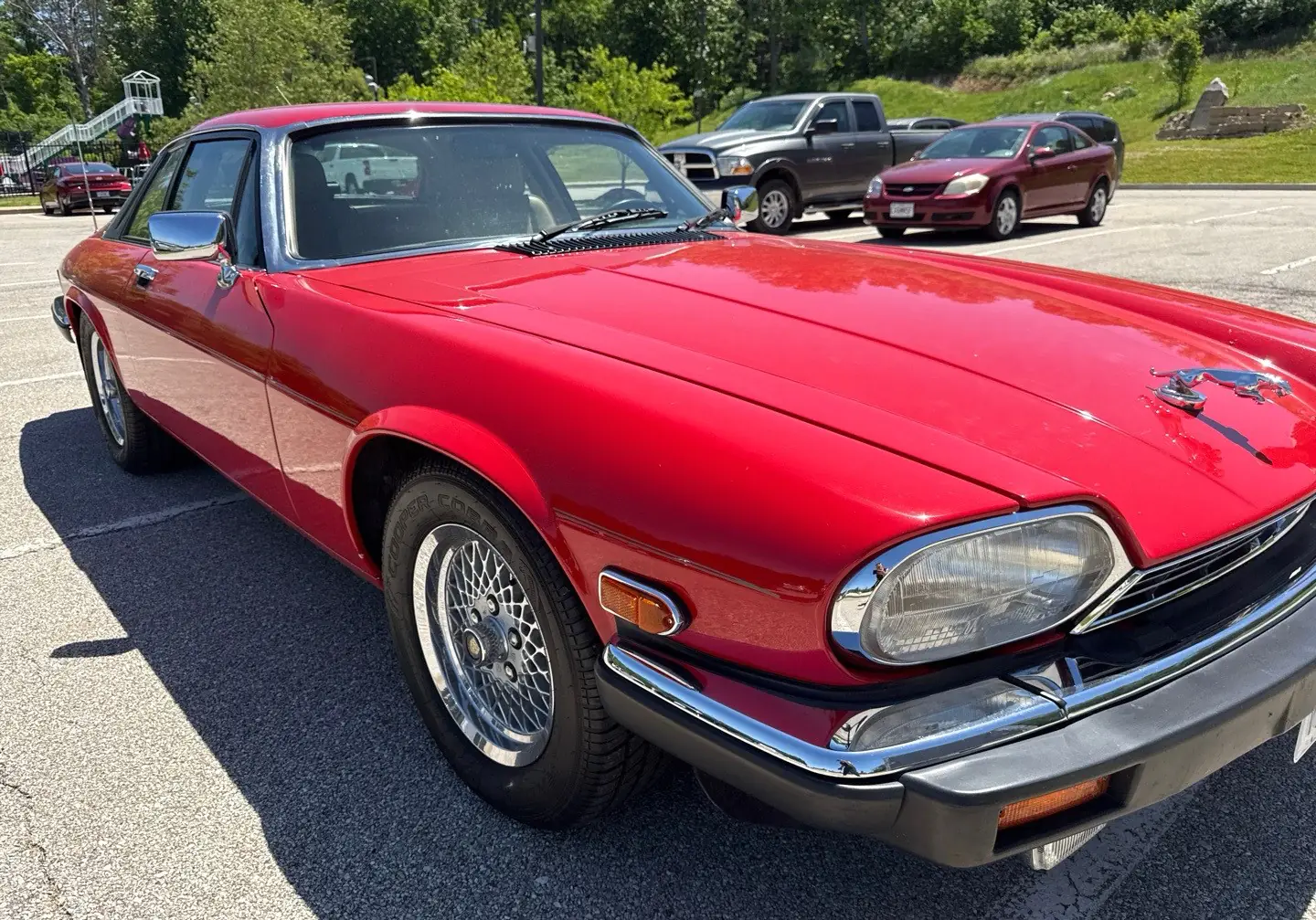
Shipping a 1989 Jaguar XJS from Eureka, MO to Missoula, MT
An automobile such as a Jaguar XJS made in 1989 should not be simply loaded on any trailer that happens to be handy without careful planning.
Such vehicles represent significant value in the collectors’ market, hence the choice of transportation will determine whether the item reaches its destination in its original state.
In the case at hand, a client of the Tempus Logix firm required a vehicle to be transported from Eureka, Missouri to Missoula, Montana. Finding the right carrier came first and was critical since speed of delivery was not the main consideration.

What it costs to ship a vintage car from Eureka, MO to Missoula, MT

The rate for this shipping process would be $2,450 through the enclosed trucking. This amounts to about $1.52 per mile; this is reasonable when compared to the standard range charged for the services offered by enclosed trucks. The average for such open shipping services on the same shipping distance would be between $950 to $1,200. The difference is notable, and yet there are some considerations here.
This particular vintage car of 1989 model year and Jaguar XJS model is a valuable collectible that could increase its value through time. Any cosmetic damage is more difficult to repair on a 37-year-old vehicle, especially painting of the car. Even if a small paint chip results from debris along the way, the price would go beyond hundreds of dollars. The price may change according to availability of the carrier, fuel prices, and other factors like the season and area.

Vintage car vs. standard car shipping: is there a price difference?

Yes, and that all depends on the type of carrier. Standard cars get transported using open carriers, but when you’re dealing with vintage automobiles, you opt for enclosed ones. This right there changes the dynamics of pricing from the outset.
Enclosed transporters account for about 10% of the vehicles that move around in the transportation industry, and this is reflected in the higher prices charged and the window period needed. It makes sense to do this, especially with a car as delicate as the 1989 Jaguar XJS. You also need to consider the loading process since enclosed transporters are used to transporting low-profile vehicles such as the Jaguar.

What enclosed carrier transport actually means for a vintage car

Enclosed trucking involves complete enclosures for trailers to provide total coverage for the entire journey, thereby protecting your car from dust, stones, hail, and even the elements like rain or sunshine. An enclosed carrier is much more essential when transporting a classic car than a new one; it’s going to be a lot more expensive to fix a 1989 Jaguar because it will be extremely hard to get the paintwork right on such an old car.
Using an open carrier would mean the Jaguar was left out for about five or six days traveling from point to point, exposed to the elements in all these states including rocks from Montana highways, rain in South Dakota, and varying temperatures in Wyoming. Using an open carrier would mean no damage to the vehicle since they provide a good degree of protection but it is not acceptable for such a vehicle.

For a 1989 Jaguar XJS shipping 1,610 miles, enclosed transport isn’t an upgrade. It’s just the right call.
Transport Summary
- Vehicle: 1989 Jaguar XJS
- Transportation type: Enclosed trailer
- Total distance: 1,610 miles
- Cost: $2,450 ($1.52/mile)
- Route: Eureka, MO → I-44 W → I-270 N → I-29 N → I-90 W → Missoula, MT
Shipping a 2020 Ford F-250 Super Duty from Framingham, MA to Kingsland, GA
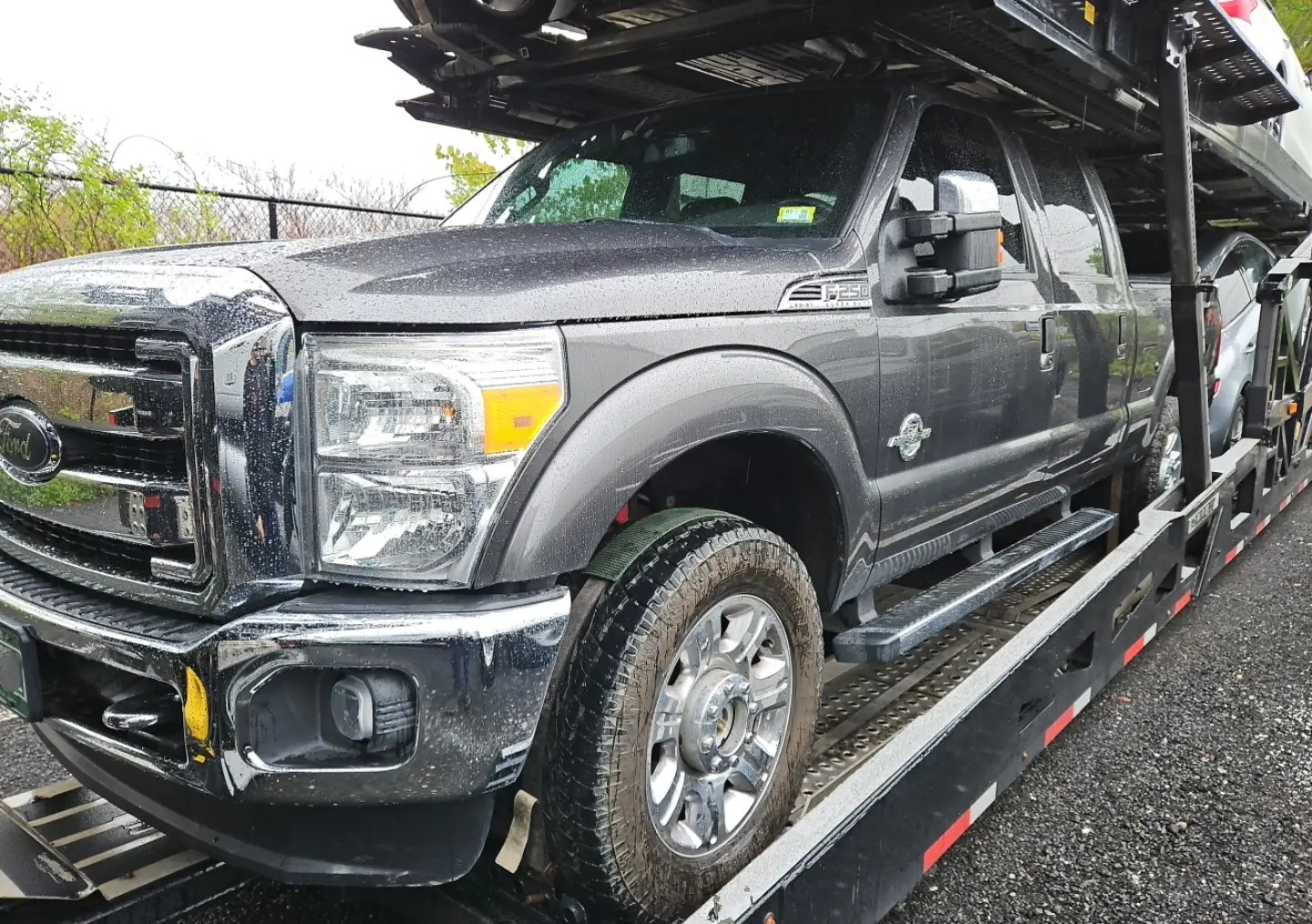
The transportation of a regular pickup truck over a thousand miles isn’t quite the same thing as the movement of a small car over such a distance. A pickup is not only heavier but is also bigger than the latter. This is because a 2020 Ford F-250 Super Duty had to travel from Framingham, Massachusetts to Kingsland, Georgia, resulting in a final charge of $950 for a total distance of 1,130 miles or $0.84 per mile. This figure falls comfortably within the expected rate for a regular open transport service.
Why a Heavy-Duty Truck Costs More to Ship Than a Standard Car

The Ford F-250 Super Duty is definitely not your ordinary vehicle; it falls under the category of heavy duty, having a gross vehicle weight rating greater than 8,500 pounds. The height and width of the vehicle’s body will also be considerably larger when compared to average passenger cars and even compact pickup trucks. These features definitely affect the cost because the bigger the vehicle, the less space there is in the carrier.
If the capacity of the carrier is limited to seven to nine vehicles, the F-250 Super Duty will reduce the number of other cars it can transport in one trip. Since there is now less profit per trip for the carrier unless charges reflect the size of the vehicle it is moving, it can be expected that the shipping costs for heavy duty pickups would be higher.
The truck’s age also guarantees that it retains its market worth, which is why the customer needed a towing company that had experience with heavy trucks. The tie-down points on a Super Duty truck are not the same as on a regular car. A professional driver will know where the chains should be placed without damaging any fuel or brake lines. The running boards could also get damaged.
The Route

The town of Framingham can be located at a distance of around 20 miles west of Boston on Interstate 90, which links to the wider network of carriers in the Northeast region. The most efficient path from here lies towards the south via Interstate 95. This road goes through the states of Connecticut and New York and then through New Jersey and Delaware. After this, it moves across Maryland and Virginia and further through North Carolina into Georgia. Kingsland is a small city of Camden County in southeastern Georgia.
The truck covers a distance of 1,130 miles that includes both busy urban areas and small southern destinations. The Northeast region experiences a lot of freight movement throughout the year, making it easy to locate a suitable carrier moving southward. The last leg into Kingsland is less busy compared to delivering to a metropolitan area, but it still allows the carrier to do the delivery without having to go to the nearest terminal.
At $950 for this shipment, the mileage rate can be considered appropriate for the stated distance and the chosen carrier vehicle. In the transport industry, the open transport rate for freight movements between 500 and 1,500 miles is normally within the range of $0.75 to $1.20. Given that the F-250 Super Duty is bigger, the $0.84 per mile rate makes sense.
Business Pickup and Delivery
Loading and delivery are often easier if both points; the origin and destination are commercial addresses. For one, such an address will offer more space in terms of parking area and also be easier to access by the large vehicle. Secondly, there will normally be someone on site to examine the vehicle and sign.
In this particular instance, the pickup was made from a commercial address, offering some extra space for positioning the trailer, free from the usual problems associated with residential addresses in terms of accessing the trailer. Also, there was no need to move the F-250 from its point of pickup to some other location because it could be loaded where it was picked up.
On the other side, at Kingsland, the delivery of the shipment was carried out following the exact same steps. The delivery driver went to the business location and unloaded the cargo from the trailer. Then, the receiver checked the truck based on the original condition report and signed for the receipt. In such a way, it is safe for both the client and the carrier because all discrepancies are recorded, and insurance pays for everything.
Transport Summary
- Origin: Framingham, MA 01702
- Destination: Kingsland, GA 31548
- Distance: 1,130 miles
- Transport Cost: $950
- Rate Per Mile~$0.84/mile
- Trailer Type: Open
Shipping a 1963 Fiat 600 Multipla from Cookeville, TN to Woodstock, GA
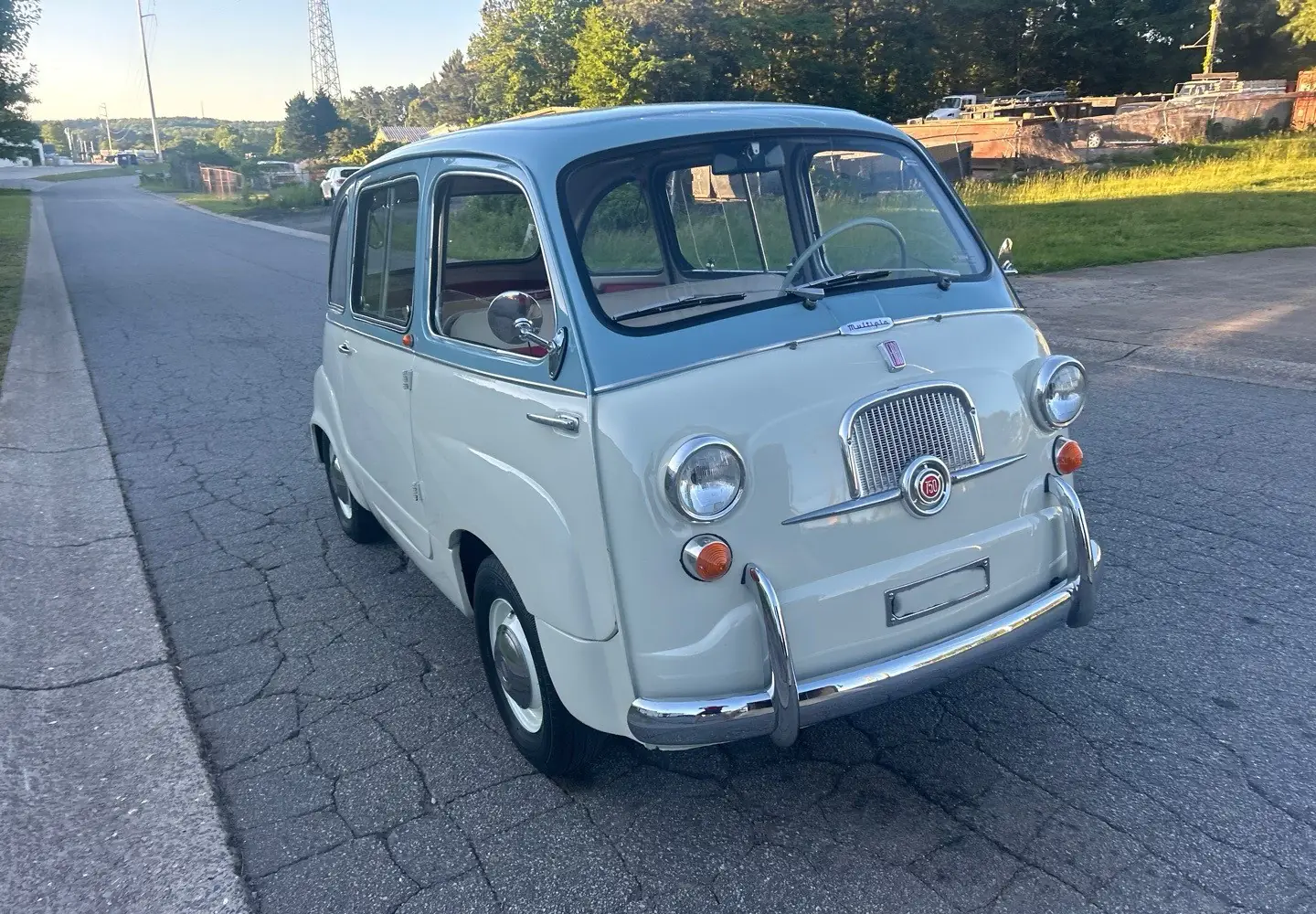
This customer had come to us for enclosed delivery services to transport his 1963 Fiat 600 Multipla, which is a rare Italian microvan that not many people would actually get a chance to see. The pickup point was Cookeville, Tennessee. The delivery point was Woodstock, Georgia, 196 miles from the pickup point. The total price quoted by him came up to $900.
The pickup was scheduled at a commercial address while the delivery was supposed to be done at a private residence. This was an important point which not all customers think about.
What You Need Before Requesting an Enclosed Carrier Quote

Obtaining a precise quote for a classic automobile is not comparable to obtaining a quote for a 2019 Honda Accord. Certain information must be provided before carriers can provide an accurate quote. Omissions tend to cause delays or even sudden changes in pricing.
These should be on hand prior to making any calls.
The year, make, model, and body type are all crucial information from the start. For instance, the 1963 Fiat 600 Multipla is a classic microvan. It has a taller roof and a wider wheelbase than most compacts from that era.
The state of the car is another crucial factor. Is it drivable or will it need to be winched onto the transport truck? Non-operational cars need specialized loading tools, which increase the cost of your quote by about $100 to $300.
Dimensions and ground clearance are also taken into consideration. For low clearance vehicles, trailers that have variable ramps are required. The dimensions of the Multipla, with its boxy form and forward cabin position, impact how the car is loaded on to the trailer deck.
The pick up and drop off address type alters everything. If your destination is commercial, residential, gated or rural will determine the options available for delivery.
As far as transportation method, a vehicle from 1954 Italy should be transported using enclosed services. An open trailer exposes the vehicle to debris and weather conditions on the way to your destination. The UV damage alone should not be overlooked by any collector shipping their original condition vintage automobile.
This information helps expedite the quoting process.
Why Business Pickup Is Priced Differently
The carrier picked up the vehicle from a business address on this particular haul. It is usually much easier to pick up from a commercial address due to ample parking spots that will allow the driver enough space to place his trailer in. This is quite the opposite when it comes to residential streets as there is limited space for a 75-foot tractor to be placed.
This was also a case of the delivery being made at a residential address located in Woodstock. This is a much tougher task due to the need for the driver to survey the area first and then park his trailer in a suitable position. This is a scenario that may see the trailer placed at the edge of the road and the car being moved down the street.
Commercial pickup and residential delivery are perhaps some of the most frequent scenarios seen in door-to-door transport.
The Route
The Cookeville to Woodstock corridor spans 196 miles through the Southeast. The majority of carriers who move cargo along this lane follow I-24 south to Chattanooga before catching I-75 south into Atlanta before moving further to Cherokee County.
There are a lot of freight movements in this corridor and therefore availability of carriers shouldn’t be an issue here. However, for short regional moves such as this one, the number of bids is usually not high. The reason is simple; long distance hauls fetch more money per mile. Consequently, the trucking company will need to price the cargo properly to get any bids.
$900 charged for 196 miles means that the per mile rate was approximately $4.59. This price was above the national average rate of between $1.30-$2.10 per mile charged by trucking companies in enclosed transport. This higher price arose from the short distance and the nature of transporting a very old car.
Hauls of between 150 and 250 miles are characterized with higher per mile prices since the fixed costs are constant regardless of whether the haul is short or long.
Van vs. Sedan: Why the Body Type Changes the Price

The 1963 Fiat 600 Multipla is not a sedan, but a forward cab microvan which looks more box-like with a slightly elevated roof compared to sedans of the same size. This type of vehicle can significantly influence a carrier’s decisions on how it will be placed onto a double trailer for transporting.
It is usually more difficult to load a high-profile vehicle on an upper deck since there is a limit on height at the upper deck. If one such high-profile car is placed on the bottom deck, it limits the options of the carriers in placing other vehicles. Such a factor will reflect the price.
Sedans are relatively easy to load, tie, and secure. In addition, sedans take much less vertical place compared to vans. Therefore, a 1963 sedan in similar conditions and on the same route as your car could be transported for $650-$750 for enclosed shipping. The price increased because of the Microvan body style.
Vans and buses will cost 20 to 35 percent more than a comparable sedan on the same route.
Transport Summary
- Vehicle: 1963 Fiat 600 Multipla
- Route: Cookeville, TN to Woodstock, GA
- Distance: 196 miles
- Transport type: Enclosed
- Quote: $900 ($4.59 per mile)
