



Door-to-Door Car Shipping Service
A customer called inquiring about door to door car shipping. He had been reading articles online that seemed to make the process more complicated than it really is. “Do I need to meet the truck somewhere, or can they actually come to my house?”
These are questions which come up constantly when one deals with first-time shippers. People think the whole process of vehicle transport works like freight shipping, where you drop things off at terminals and pick them up later. The door-to-door car shipping service works in an entirely different way, and understanding how it works saves a lot of time, money, and considerable stress.
What is door-to-door car shipping?
This type of shipping means that the driver will pick up your vehicle from your current address and deliver it directly to your destination. No terminals involved, no driving across town to drop off your car at a storage facility. The truck comes to you, loads your car onto or into the trailer, transports it, and delivers it at any point you need it.
The reason this has become the norm in the auto transport industry is that it eliminates the largest hassle most people have when transporting cars. Nobody wants to have to coordinate dropping a car off at one location and arranging a ride home, then doing it all over again at the destination. Door-to-door car shipping companies eliminate those extra trips entirely.
How Door-To-Door Car Shipping Actually Works?
It starts when you request a quote. You’ll state your pickup address, your delivery address, and some basic vehicle information. The AI based calculator will do the pricing based on the distance, the type of vehicle, in-system tools and prevailing market conditions. That will take just a minute.
Once you confirm the booking, our dispatch team starts matching carriers that are traveling your route. This takes from 1 to 5 days, though busy seasons such as summer may extend the waiting period. Popular routes will fill faster than others.
After a carrier accepts your shipment, they will call you directly to arrange the pickup date and hour. Most drivers are instructed to provide 24 hours of notice and give a ‘window’ for pickup as opposed to an exact time. Schedules for trucks depend on traffic and weather, and often the deliveries they have made previously, making precise timing difficult to ensure.
The driver shows up on the day the pickup was scheduled, examines your car with you, notates any pre-existing damage on a Bill of Lading, and then loads the car onto the trailer.
Carriers optimize routes to serve many customers efficiently. This approach keeps the costs reasonable while maintaining door-to-door car shipping service for everyone. The driver calls you to arrange the timing of the delivery, arrives at your address, unloads your vehicle, and then finishes with a final inspection with you. You compare the condition of the car to the original documentation and settle any remaining payment.
How Much Does It Cost to Ship a Car Door to Door?
Pricing for car shipping door to door varies based on several factors, but most quotes follow predictable patterns. In general, short-distance shipments under 500 miles run anywhere from $0.80 to $1.20 per mile. Medium distances from 500 to 1,500 miles have an average rate of $0.65 to $0.95 per mile. Long-distance routes over 1,500 miles drop to approximately $0.55 to $0.75 per mile as carriers achieve better efficiency.

A standard sedan like 2018 Chevrolet Malibu from Los Angeles to Dallas, roughly 1,400 miles, generally costs $900 to $1,200 for door-to-door car shipping service. For the same vehicle, a shipment from New York to Miami, a distance of about 1,300 miles, ranges from $850 to $1,100. These ranges reflect current market rates and assume standard vehicles in running condition with open trailer transport service.
Vehicle size impacts pricing significantly. Large SUVs and trucks occupy more trailer space, add weight to the cargo load, and increase fuel consumption-all of which reduce the amount a carrier can haul at any one time.
Seasonal demand creates fluctuations in the prices that moving companies charge. Summer months are the busiest as people move for jobs and students go to college. Snowbird season-October through December-raises prices on routes from northern states to southern ones, as retirees head south for warmer climates. Booking during the slower periods, such as January through March, generally brings better pricing.
Comparing Costs to Alternative Options
Terminal-to-terminal services are cheaper than door-to-door car shipping, often by about $100 to $200 on standard routes. Of course, that savings disappears when you add in the fuel costs driving to terminals, time off work, potential parking fees, and the value of your own time spent coordinating drop-offs and pickups

Most people find that door-to-door car shipping services offer superior overall value. For the convenience of having carriers come to you, combined with reduced risk due to fewer vehicle transitions, the modest premium is justified. Unless you live immediately next to a terminal facility and you have entirely flexible scheduling, door-to-door service makes more financial sense.
Why Does Door to Door Auto Transport Make Sense?
Time Savings That Actually Matter
Now consider what happens without door-to-door car shipping. You drive to a terminal facility, possibly during limited business hours. You complete paperwork, hand over keys, and arrange transportation back home or to work. You repeat everything in reverse at the destination, possibly in an unfamiliar city where you just relocated and don’t know the area.
Every terminal visit will consume at least two to three hours when you factor in drive time, paperwork, and coordinating rides. In place of this, door-to-door car shipping companies send trucks to your location instead. You complete the inspection in your driveway, the carrier loads your vehicle, and you continue with your day.
Reduce Risk by Professional Handling
The vehicles are stored in open lots while waiting for carriers to pick them up. Your car sits out in the weather, is at risk of theft, and can potentially be damaged from other vehicles or equipment moving through the yard. Some terminals process hundreds of vehicles on a weekly basis, and not all take the same care.
Door-to-door car shipping services minimize these risks as your vehicle goes from your location onto the trailer and stays secured until the end of the process of the delivery. Fewer stops and transitions mean fewer opportunities for damage or mishaps.
Direct Communication Changes Everything
When you use door-to-door car shipping, you will be in direct contact with the driver actually moving your vehicle. You get answers to questions immediately, as you are talking with the person physically hauling your car, rather than a dispatcher reading from a terminal log.
Need to change your delivery time by a few hours? You communicate directly with the driver. Curious about your car’s location? You text or call the person who presently hauls it. This direct access considerably reduces anxiety, especially for those shipping vehicles for the first time.
Terminal services route communication through the facility staff, who may not have immediate information about your specific vehicle. This means that messages must go through multiple people to reach the driver, which can delay communication and lead to misunderstandings. Door-to-door car shipping companies establish direct lines between you and the carrier from the start.
Challenges That Can Complicate Pickup
- When Trucks Can’t Reach Your Location
Door-to-door car shipping works seamlessly in most cases, but some addresses pose access issues that customers don’t always expect. Auto transport trailers are 75 to 80 feet in length and 13 to 14 feet in height. They cannot make it down narrow residential streets, sharp subdivision turns, or under low-hanging tree branches.
Professional door-to-door car shipping companies will discuss any potential access issues at the moment of the booking. They will ask about street width, overhead clearances, and turning space. If your location does present challenges, the carriers will arrange to meet you at nearby locations with better access. This might be a shopping center parking lot, a wide intersection, or a gas station that provides space for a big truck to maneuver.
Properties in rural areas with long, unpaved driveways often present similar problems. Carriers steer clear of dirt roads because a trailer with a full load of 40,000 to 50,000 pounds may easily become stuck. It’s simply not a risk worth the potential consequences – especially in wet weather. If you live down a long unpaved drive, plan on meeting the carrier at the closest paved road.
- Inoperable Vehicles Require Special Arrangements
Car shipping door to door auto transport assumes your vehicle can start, shift into neutral, and roll freely. Carriers use ramps set at 14- to 18-degree angles for loading. Vehicles have to be able to move either by their own power or at least roll freely to negotiate these ramps safely.
Non-running vehicles, on the other hand, require winch service and add an additional $150-$300 to standard pricing. The loading process for these vehicles also takes longer and requires more experience. Winch service is not provided by all carriers, which is another limiting factor that can prolong finding the right transportation.
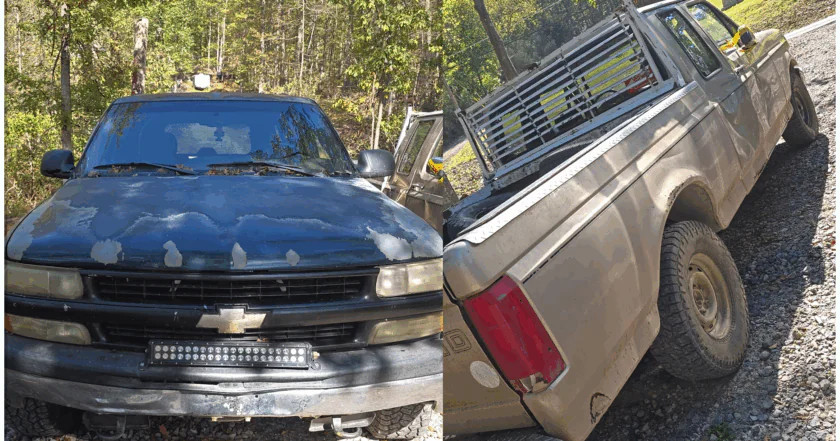
Customers shipping inoperable vehicles should make this known at the time of initial booking. Surprises on pickup day lead to delays and frustration. Carriers will prepare specifically for winch jobs by bringing along proper equipment and allowing extra time. Honest communication of vehicle condition ensures a smooth service, not last-minute complications.
Making Your Shipping Decision
Door-to-door car shipping offers clear advantages in most situations. The convenience of pickup and delivery at locations you specify, combined with professional handling and direct communication, makes the service worth the reasonable cost for people who value their time and want reliable vehicle transportation.
Consider your specific circumstances when evaluating options. If you live immediately next to a terminal facility, have completely flexible scheduling, and want to minimize costs above all else, terminal services might work. In most instances, door-to-door services will better cater to the needs of the majority, particularly during the stress of coordinating moves or handling vehicle purchases from distant sellers.
Take the time to research options thoroughly, confirm credentials, read reviews, and compare quotes. Then, choose a company that evidences competence and reliability through licensing, insurance, and customer feedback.
Choosing a high rated door-to-door car shipping service protects the quality of the shipping while removing one major source of stress from your moving or purchasing process. The peace of mind that comes from working with experienced professionals who pick up and deliver at your locations is worth the modest premium over alternative shipping methods.
The states in which we operate
- Alabama
- Alaska
- Arizona
- Arkansas
- California
- Colorado
- Connecticut
- Delaware
- Florida
- Georgia
- Hawaii
- Idaho
- Illinois
- Indiana
- Iowa
- Kansas
- Kentucky
- Louisiana
- Maine
- Maryland
- Massachusetts
- Michigan
- Minnesota
- Mississippi
- Missouri
- Montana
- Nebraska
- Nevada
- New Hampshire
- New Jersey
- New Mexico
- New York
- North Carolina
- North Dakota
- Ohio
- Oklahoma
- Oregon
- Pennsylvania
- Rhode Island
- South Carolina
- South Dakota
- Tennessee
- Texas
- Utah
- Vermont
- Virginia
- Washington
- Washington DC
- West Virginia
- Wisconsin
- Wyoming